Skip to content
FlatHunt Search Catania

Catania · neighbourhood guide

Where to live in Catania: a neighbourhood guide

Catania climbs from the sea towards Etna, and the character of each district changes with the altitude and the distance from Via Etnea. The baroque centre around Piazza Duomo is where most students and Erasmus visitors want to be, close to lectures and nightlife. Ognina-Picanello offers the lungomare and a calmer pace, Borgo-Sanzio has practical flats along upper Via Etnea, and Cibali in the north-west trades charm for space and a direct metro line. Each profile covers housing, transport and who lives there.

Catania, Italy

Centro-San Cristoforo

Baroque streets, the Duomo and the university's historic heart

  • students
  • Erasmus
  • nightlife
  • car-free living

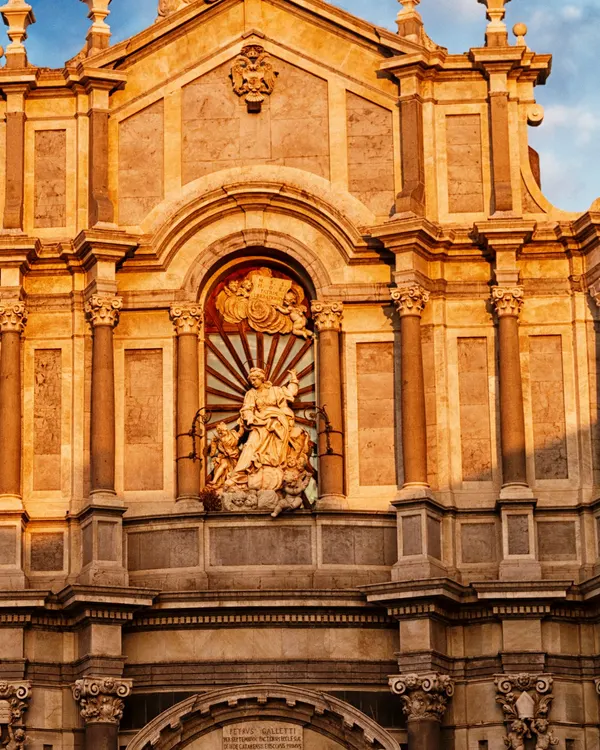
This municipal district takes in the heart of Catania. Piazza Duomo, with the cathedral of Sant'Agata and the lava-stone elephant fountain that is the city's symbol, opens onto Via Etnea, the long main street that climbs north towards the volcano. Just off the square, the fish market known as la Pescheria fills the lanes every morning, and Via Crociferi, lined with baroque churches and convents, is one of the most beautiful streets in Sicily. The district also stretches south-west into San Cristoforo and the streets around Castello Ursino.

For students, the centre is where university life happens. The historic Palazzo dell'Università stands on Piazza Università along Via Etnea, and the former Benedictine monastery on Piazza Dante, a vast baroque complex, houses the humanities department. Bars and restaurants around Piazza Bellini and the Teatro Massimo Bellini fill up late into the night, and every February the festival of Sant'Agata takes over the streets with processions and crowds.

Housing means old buildings: flats in palazzi with high ceilings, balconies over narrow streets and, often, no lift. Shared flats are common and rooms are popular with Erasmus students, so start looking well before the semester. The district is varied, and some parts of San Cristoforo and the streets near the port are poorer and rougher than the area around Via Etnea, so check the exact street on the map. Stesicoro metro station on Via Etnea connects the centre with the rest of the network, and most daily life is walkable. Compare it with the seafront in Ognina-Picanello.

Getting around Stesicoro metro station on Via Etnea serves the centre, AMTS buses run along the main streets, and most of the district is walkable.

Search homes in Catania

Ognina-Picanello

The lungomare, the fishing harbour and everyday Catania

  • young professionals
  • couples
  • sea lovers

Ognina-Picanello stretches along Catania's northern coastline and inland from it. Ognina is the seaside half: a small harbour with fishing boats, seafood restaurants and the rocky lava coast, where the lungomare runs from Piazza Europa towards the harbour. On summer evenings the promenade fills with walkers, joggers and families, and swimmers climb down onto the black rocks and wooden platforms to reach the sea. In winter the same stretch is a favourite for long walks with Etna in view on clear days.

Picanello, inland, is a dense residential quarter of apartment blocks, local shops and markets, with a working-class character and long-standing families. Between the two, the area around Corso Italia and Piazza Europa is one of the city's main shopping and café districts, with wide pavements and more modern apartment buildings. The district as a whole is less touristy than the centre and gives a good sense of everyday Catanese life, with bakeries, fruit stalls and bars where regulars stop for an espresso.

For renters, the district offers more modern housing than the baroque centre, often with lifts, balconies and parking, and sea views from the upper floors near the lungomare. It suits young professionals, couples and students who prefer the sea to the nightlife. Buses run along the main roads into the centre and to the station, which lies on the district's southern edge, and the Galatea and Italia metro stations serve the streets nearer the centre. Compare it with the historic Centro-San Cristoforo district before you book.

Getting around Buses run along the lungomare and the main roads into the centre, and the Galatea and Italia metro stations serve the streets nearer the centre.

Search homes in Catania

Borgo-Sanzio

Upper Via Etnea, the Botanical Garden and Piazza Cavour

  • students
  • young professionals
  • families

Walk north along Via Etnea past the gardens of Villa Bellini and the baroque centre gives way to Borgo-Sanzio, one of the city's main residential and shopping districts. The street keeps climbing towards Etna, lined with shops, cafés and pastry shops, and the University of Catania's Botanical Garden, with its collection of Mediterranean and succulent plants, sits just off it. Further up, Piazza Cavour, known to everyone simply as the Borgo, is the district's social centre.

Housing here is more modern than in the historic centre: apartment buildings from the twentieth century, many with lifts, balconies and larger rooms. That makes Borgo-Sanzio popular with students who want a practical flat within reach of both the historic centre and the university's Cittadella campus in the north of the city, as well as with young professionals and families. Supermarkets, markets and everyday services are close at hand, and the side streets are calmer than the main road. Evenings around Piazza Cavour are lively but rarely loud, with families out for a walk and an ice cream.

The district is well connected. Borgo metro station connects with the centre and the north-west of the city, AMTS buses run along Via Etnea and the parallel avenues, and walking down to Piazza Duomo takes a pleasant half hour downhill. The climb back up is steeper, which is worth remembering in the summer heat. If you want to compare the districts side by side, our Catania neighbourhood guide covers the centre, the seafront and the north-west.

Getting around Borgo metro station serves the district, and AMTS buses run along Via Etnea into the centre and up towards the northern districts.

Search homes in Catania

Cibali

Residential north-west Catania, home of the football stadium

  • students
  • value seekers
  • football fans

Cibali lies in the north-west of Catania, on the rising ground between the historic centre and the outer districts. To most Sicilians the name means football: the Stadio Angelo Massimino, home of Catania's football club, is still widely known simply as Cibali, and match days bring crowds, chants and closed roads. The rest of the week the district is a residential part of the city, with apartment blocks from the post-war decades, small shops and local markets.

For renters, Cibali offers practical flats, often with lifts and balconies, and generally more space for the money than the historic centre. It suits students who want a calmer street and a direct ride into town, as well as young professionals and families. Bakeries, pharmacies, supermarkets and bars cover everyday needs, and the area feels more local than touristy, with neighbours who have lived on the same street for decades. Rents and daily costs in this part of the city tend to feel more manageable than around Via Etnea.

Transport is the main selling point. Cibali has its own station on the metro, which runs to the centre via Borgo and on to Stesicoro on Via Etnea, so the commute into town is straightforward, and buses fill the gaps. The streets are hilly in places and some main roads are busy, so check the exact location and the walk to the nearest stop before you book. Compare the district with the historic Centro-San Cristoforo if you prefer to be closer to the action.

Getting around Cibali metro station runs to Borgo and on to Stesicoro on Via Etnea, and buses connect the district with the centre.

Search homes in Catania

Choosing an area in Catania

What are the best areas for students in Catania?

Centro-San Cristoforo (baroque streets, the duomo and the university's historic heart), Borgo-Sanzio (upper via etnea, the botanical garden and piazza cavour) and Cibali (residential north-west catania, home of the football stadium). Every area above has its own section with transport and what the housing is like.

Where do young professionals and expats live in Catania?

Ognina-Picanello (the lungomare, the fishing harbour and everyday catania) and Borgo-Sanzio (upper via etnea, the botanical garden and piazza cavour). Every area above has its own section with transport and what the housing is like.

Found your area? Search Catania

Search 30 homes