Skip to content
FlatHunt Search Forlì

Forlì · neighbourhood guide

Where to live in Forlì: four areas compared

Forlì is small and flat, so every area in this guide is within an easy bike ride of the campus. The choice is about atmosphere and housing. The historic centre around Piazza Saffi puts shops, bars and lectures on your doorstep. Schiavonia, towards the river, is older, lived-in and more affordable. Ravaldino, around Caterina Sforza's fortress, is calm and residential, and the Viale della Libertà area offers roomier, more modern flats near the station. Here is how they compare.

Forlì, Italy

Centro Storico

Piazza Saffi, San Mercuriale and the arcaded streets

  • students
  • Erasmus
  • car-free living
  • evenings out

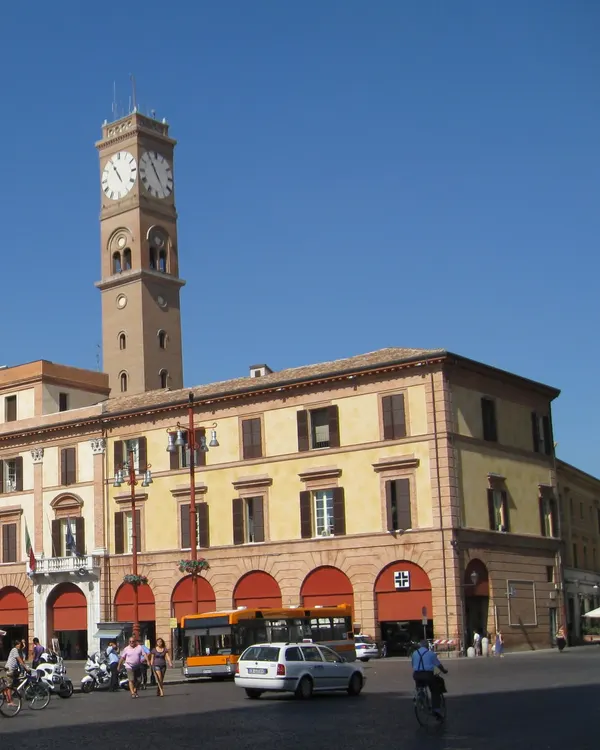
Forlì's historic centre is built around Piazza Aurelio Saffi, one of the largest squares in Romagna, named after the local patriot of the Risorgimento whose statue stands in the middle. The square is framed by the Palazzo Comunale, the post office and the Romanesque Abbey of San Mercuriale, whose tall brick bell tower is the symbol of the city and is visible from almost every street. From here the main corsi radiate towards the old city gates, lined with shops, cafés and arcades.

Housing in the centre is mostly in older buildings of two to four storeys, with internal courtyards, beamed ceilings and shared staircases, and many flats are divided into rooms for students. The University of Bologna's Forlì campus is a short walk or ride away, so the centre is the first choice for many interpreting, translation and political science students who want to walk to lectures and meet friends in the evening. Bars around Piazza Saffi and the nearby streets fill up after classes, especially on weeknights during term.

Daily life is easy without a car: a weekly market fills the central squares, supermarkets and bakeries are close, and the Musei San Domenico, set in a former convent, host major art exhibitions. The station is a short bike ride away along the avenues to the north-east. Because the student population is large for the size of the city, rooms in the centre go quickly before each semester, so compare rooms for rent in Forlì as soon as your plans are fixed.

Getting around Walk or cycle everywhere in the centre; local buses converge on the area around Piazza Saffi, and the station is a short ride north-east.

Search homes in Forlì

Schiavonia

The old quarter towards Porta Schiavonia and the river

  • students
  • tight budgets
  • runners

Schiavonia is the historic quarter that runs north-west from Piazza Saffi along Corso Garibaldi to Porta Schiavonia, the surviving medieval city gate on the Via Emilia towards Faenza and Bologna. Its name is usually traced to the Slavonian and Dalmatian communities who settled here in past centuries, and the quarter has kept a strong local identity. Beyond the gate lies the Montone river, with paths along its green banks for walking, running and cycling in every season.

The streets are lined with older terraced houses and small palazzi, many with long, narrow plots, internal courtyards and gardens hidden behind the facades. Housing here is generally simpler and more affordable than right on the main square, and rooms in shared flats are common, which makes Schiavonia popular with students who want to stay within walking distance of the centre without paying central prices. Small shops, bakeries, bars and trattorias line Corso Garibaldi, and the quarter keeps a neighbourly, residential feel, with residents who have known each other for decades.

Traffic is lighter than on the main avenues, and most errands can be done on foot or by bike. The campus and Piazza Saffi are a short walk away, and buses running along the Via Emilia connect the quarter with the station and the outer districts. As in all older buildings, ask about heating, damp and how many stairs lie between the street and your door. If you want value close to the centre, compare rooms in Forlì in Schiavonia early in your search.

Getting around Piazza Saffi is a short walk along Corso Garibaldi, and buses on the Via Emilia connect the quarter with the station.

Search homes in Forlì

Ravaldino

Caterina Sforza's fortress and quiet southern streets

  • postgraduates
  • quiet seekers
  • couples

Ravaldino takes its name from the Rocca di Ravaldino, the fifteenth-century fortress at the south-western edge of the old town, famous as the stronghold where Caterina Sforza held out against Cesare Borgia's troops in the winter of 1499 to 1500, before the fortress finally fell. Its massive walls and round towers still stand near Porta Ravaldino, one of the old city gates, and the streets around them form a quiet residential area on the edge of the historic centre.

Inside the line of the old walls you find historic houses and small palazzi; beyond the gate the city opens up into post-war apartment blocks with lifts and balconies, small parks and schools. Housing is a mix of rooms in shared flats and whole apartments, and prices are generally more moderate than right on Piazza Saffi. Families and long-term residents set the tone, which makes evenings calm and suits students who prefer quiet study time, as well as postgraduates and young professionals who work from home part of the week.

The centre and the campus are a short walk or bike ride away, and local buses connect the area with the station and the rest of the city. Supermarkets and everyday services are close on the main roads leading south, and the countryside and the first hills of the Apennines towards Predappio and Castrocaro begin not far beyond. If you want a calm base without losing the centre, compare rooms for rent in Forlì around Ravaldino and ask how close the listing is to the gate.

Getting around A short walk or ride to Piazza Saffi and the campus; local buses link the area with the station and the outer districts.

Search homes in Forlì

Viale della Libertà

The 1930s avenue between Piazzale della Vittoria and the station

  • train commuters
  • groups sharing
  • young professionals

Viale della Libertà runs from Piazzale della Vittoria, with its tall column commemorating the fallen of the First World War, to Forlì's railway station. The avenue and the streets around it were largely built in the 1920s and 1930s, when Forlì, close to Mussolini's birthplace at Predappio, was given a series of monumental public buildings in the rationalist style of the period. Today these buildings are studied as an example of twentieth-century architecture, and they give the area a broad, planned look quite unlike the medieval centre.

Housing here is more modern than in the old town: early-twentieth-century villas and palazzine, mid-century apartment blocks and newer buildings, many with lifts, balconies and sometimes parking. Flats are often roomier than in the old town, which suits groups of students sharing a whole apartment, couples and professionals on contract. The avenue itself carries traffic, so bedrooms facing the side streets or inner courtyards are quieter, and it is worth asking about double glazing, especially for a bedroom on a low floor.

The main advantage is location. The station, with regular trains along the Via Emilia line to Bologna, Rimini and the coast, is at one end; the centre and Piazza Saffi are a short walk or ride from the other. Supermarkets, cafés, gyms and other services are close, and local buses run along the avenue towards the centre. If you commute by train or want a modern flat near the centre, compare rooms in Forlì along Viale della Libertà and the streets beside it.

Getting around Forlì station is at the far end of the avenue, and the centre is a short walk or bike ride from Piazzale della Vittoria.

Search homes in Forlì

Choosing an area in Forlì

What are the best areas for students in Forlì?

Centro Storico (piazza saffi, san mercuriale and the arcaded streets) and Schiavonia (the old quarter towards porta schiavonia and the river). Every area above has its own section with transport and what the housing is like.

Found your area? Search Forlì

Search 54 homes