Skip to content
FlatHunt Search Genoa

Genoa · neighbourhood guide

Where to live in Genoa: five districts compared

Genoa is long and narrow, squeezed between the hills and the sea, so where you live shapes your commute more than in most Italian cities. The historic centre puts the university and the old port on your doorstep. Castelletto and Carignano, on the hills just above, offer light, space and calm. Albaro, to the east, is green and close to engineering and the San Martino hospital, while Sampierdarena, to the west, trades polish for larger, cheaper flats. Here is how they compare.

Genoa, Italy

Centro Storico

Caruggi, palazzi and the old port

  • students
  • Erasmus
  • car-free living
  • evenings out

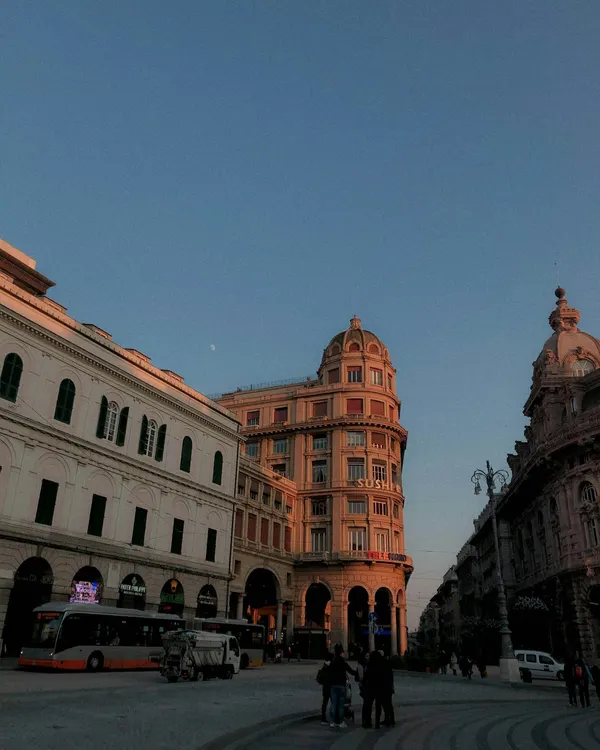
Genoa's historic centre is one of the largest and densest medieval quarters in Europe, a labyrinth of narrow alleys, the caruggi, squeezed between tall buildings that block out much of the sky. It runs from the Porto Antico, redesigned by Renzo Piano and now home to the aquarium, up to Piazza De Ferrari and the Palazzo Ducale. Via Garibaldi and Via Balbi hold the grand palaces of the Rolli, the city's Renaissance aristocratic residences listed by UNESCO, and the Cathedral of San Lorenzo stands at the heart of the old town.

Living here means old buildings of five or six floors, steep shared staircases, few lifts and, often, little natural light on the lower floors, but also slate stairs, painted ceilings and rooftop views on the upper ones. Many University of Genoa departments are close by, including the main building on Via Balbi, architecture at Sant'Agostino and economics at the Darsena, so students are a big part of the population. The streets are lively and mixed, with long-standing Genoese families, students and residents from around the world living side by side.

Some alleys feel very different at night, and opinions about safety vary from street to street, so visit after dark before committing and check the exact address rather than the district name. In return you get everything on foot and the metro stations at San Giorgio, Darsena, Sarzano/Sant'Agostino and De Ferrari within a few minutes. If you want to live in the heart of the city, compare rooms for rent in Genoa here first.

Getting around Metro stations at San Giorgio, Darsena, Sarzano/Sant'Agostino and De Ferrari, with Principe and Brignole stations at either end.

Search homes in Genoa

Castelletto

Hillside terraces and Liberty buildings above the old town

  • groups sharing
  • young professionals
  • quiet seekers
  • view lovers

Castelletto rises directly above the historic centre, on the slopes behind Via Garibaldi and Piazza Corvetto. Its best-known landmark is the Spianata Castelletto, a terrace with one of the finest views over the rooftops, the port and the Lanterna lighthouse, reached from the old town by the Art Nouveau Castelletto Levante lift from Piazza Portello. The district developed mainly in the late nineteenth and early twentieth centuries along the Circonvallazione a Monte, a road that winds along the hillside and is lined with grand residential buildings.

For renters, Castelletto offers more light, more space and more quiet than the narrow streets below. Buildings are generally solid and well kept, many in Liberty or eclectic styles, often with lifts, high ceilings and balconies, and flats tend to be large, which makes them suitable for groups of students sharing a whole apartment or for professionals and families. Daily life revolves around local shops, bakeries and bars along Corso Firenze and the streets nearby, and on summer evenings residents gather on the terraces to watch the lights of the port.

Getting down to the centre is quick using the public lifts or the Zecca–Righi funicular, which climbs through the district from Largo della Zecca, and buses run along the Circonvallazione. The trade-off is the slope: walking home from the old town means stairs or a wait for the lift, and evening services are less frequent. If you want views and calm a few minutes above the city, compare rooms in Genoa in Castelletto and check which lift or stop is nearest.

Getting around Public lifts from Piazza Portello and the Zecca–Righi funicular link Castelletto with the old town; buses run along the Circonvallazione a Monte.

Search homes in Genoa

Carignano

Elegant residential hill around the Basilica of Carignano

  • postgraduates
  • young professionals
  • couples
  • architecture students

Carignano occupies the hill south-east of the old town, between the historic centre and the sea, and is dominated by the Basilica of Santa Maria Assunta di Carignano, whose dome is one of the landmarks of the Genoese skyline. The church was commissioned by the Sauli family in the sixteenth century, and the district around it developed into one of the city's most elegant residential areas, especially in the nineteenth century, when wide streets and grand apartment buildings replaced older gardens and villas on the slopes above the harbour.

Today Carignano is calm, well kept and residential. Buildings are typically nineteenth- and early-twentieth-century palazzi with high ceilings, marble staircases, lifts and large flats, many with sea views from the upper floors. The rental market leans towards whole apartments rather than rooms, but shared flats among students and young professionals do appear, often in spacious period homes. Families and long-term residents set the tone, and evenings are quiet, which suits anyone who studies or works from home.

The location is a strength. Piazza De Ferrari and Via XX Settembre are a short walk away, the old town is just down the hill, and the seafront along Corso Aurelio Saffi is close for running and evening walks. Several university buildings in the old town, including architecture at Sant'Agostino, can be reached on foot. Buses connect the district with Brignole station and the rest of the city. If you want a calm, central address, compare rooms for rent in Genoa here alongside the historic centre.

Getting around A walk to Piazza De Ferrari and the Sarzano/Sant'Agostino metro stop; AMT buses link Carignano with Brignole and the seafront.

Search homes in Genoa

Albaro

Villas, Corso Italia and the engineering school

  • engineering students
  • medical students
  • families
  • sea lovers

Albaro lies east of the centre, on the gentle slopes that run down to the sea between the Bisagno valley and Boccadasse. For centuries it was a place of summer villas for Genoese aristocrats, and many of those villas still stand, surrounded by gardens and now used as schools, offices or university buildings. The most notable for students is Villa Cambiaso, the home of the University of Genoa's engineering school. Below the district, Corso Italia, the long seafront promenade, runs towards the old fishing village of Boccadasse.

Albaro is residential and well kept, with tree-lined streets, mid-century apartment buildings with lifts and balconies, and a fair number of period homes. It is one of the more expensive parts of the city, and listings tend to be for whole apartments, but rooms in shared flats appear regularly because of the student demand from engineering, the science departments in the nearby Valletta Puggia area and the San Martino hospital, Genoa's main teaching hospital, just to the north.

Daily life is pleasant: cafés and shops around Piazza Leopardi and Via Albaro, the sea a short walk away for swimming in summer, and easy runs along Corso Italia. Buses connect the district with Brignole station and the centre, which can also be reached by bike or a longer walk. The atmosphere is calm and family-oriented, with little nightlife beyond a few bars near the sea and in Boccadasse. If you study engineering or medicine, compare rooms in Genoa in Albaro early, as the best ones go quickly.

Getting around AMT buses run from Albaro to Brignole station and the centre; Corso Italia and Boccadasse are a short walk downhill.

Search homes in Genoa

Sampierdarena

Former villa town west of the Lanterna, now multicultural

  • tight budgets
  • groups sharing
  • train commuters

Sampierdarena lies immediately west of the Lanterna, the old lighthouse that has guarded Genoa's port for centuries. Until the nineteenth century it was a separate town and a favourite location for aristocratic summer villas, several of which survive among the later buildings, including Villa Imperiale Scassi and Villa Centurione del Monastero. Industrialisation and the growth of the port turned it into a working-class district, and in 1926 it was absorbed into Greater Genoa.

Today Sampierdarena is one of the city's most multicultural districts, with a large Latin American community, especially from Ecuador, alongside long-established Genoese families and residents from many other countries. Via Cantore, the main street, is lined with shops, while porticoed Via Buranello runs alongside the railway. Housing is mainly in large apartment buildings from the late nineteenth and twentieth centuries, often with lifts and balconies, and flats are noticeably larger and more affordable than in the centre or the eastern districts.

The district has a mixed reputation in the rest of the city, and some streets feel livelier than others at night, so visit at different times of day before committing to a lease. For daily life it works well: Genova Sampierdarena station has frequent regional trains to Principe, Brignole and along the Riviera, the metro stops at the eastern edge connect with the old town, and buses run in every direction, including up the Polcevera valley. If space and value matter more than a prestige address, compare rooms for rent in Genoa in Sampierdarena alongside the centre.

Getting around Genova Sampierdarena station has frequent regional trains, and metro stops at the district's eastern edge link it with the old town.

Search homes in Genoa

Choosing an area in Genoa

What are the best areas for students in Genoa?

Centro Storico (caruggi, palazzi and the old port), Carignano (elegant residential hill around the basilica of carignano) and Albaro (villas, corso italia and the engineering school). Every area above has its own section with transport and what the housing is like.

Where do young professionals and expats live in Genoa?

Castelletto (hillside terraces and liberty buildings above the old town), Carignano (elegant residential hill around the basilica of carignano) and Sampierdarena (former villa town west of the lanterna, now multicultural). Every area above has its own section with transport and what the housing is like.

Which parts of Genoa are quieter or good for families?

Castelletto (hillside terraces and liberty buildings above the old town) and Albaro (villas, corso italia and the engineering school). Every area above has its own section with transport and what the housing is like.

Found your area? Search Genoa

Search 44 homes