
Glauberg
The village below the Celtic hill and its museum
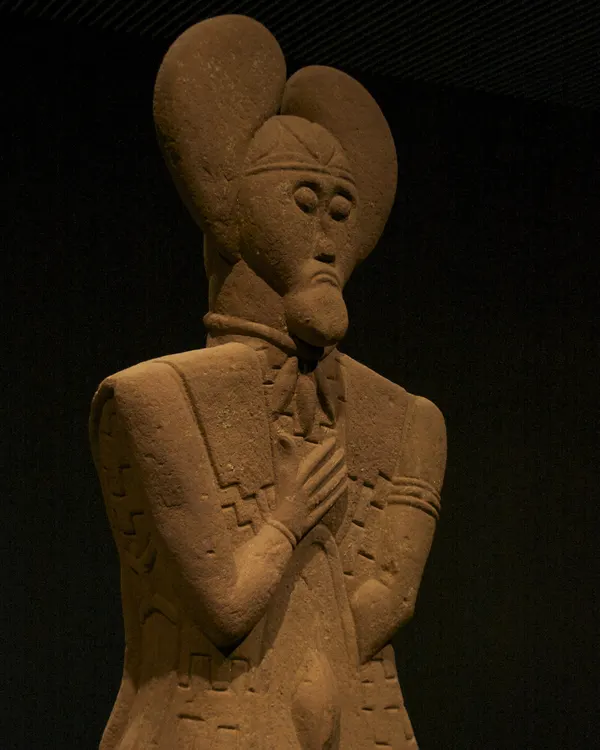
The village of Glauberg takes its name from the hill above it, a plateau that was settled and fortified long before Roman times. Excavations at its foot uncovered the grave of a Celtic prince and the sandstone statue of a warrior wearing a distinctive leaf crown, one of the most remarkable Iron Age finds in central Europe. The Keltenwelt am Glauberg museum and the reconstructed burial mound stand beside the site, and walking paths lead up onto the plateau, where the outline of the old ramparts can still be traced and the views stretch across the Wetterau.
The village itself is small and residential. Housing is mostly older farmhouses, some converted into flats, and single-family homes built over the decades since. Furnished rentals are rare and tend to be a flat in a private house or a whole small house equipped for mid-term tenants. That suits people on longer assignments in the Wetterau, families relocating who want a garden, and remote workers who need quiet more than a café on the corner. Expect neighbours who know each other, gardens rather than balconies, and very little traffic after dark.
Daily life needs some planning. Basic needs can be met locally or in Stockheim next door, but larger shopping trips and most appointments mean driving to Büdingen, Altenstadt or further. The train from Stockheim helps with commuting, though the walk or ride to the station is worth checking from your address. Ask every landlord about the Wohnungsgeberbestätigung for your Anmeldung, and compare the few listings here with those in Bad Nauheim, which has more choice and a main-line station.
Getting around The nearest station is in neighbouring Stockheim, with trains towards Bad Vilbel and on the line between Gießen and Gelnhausen.