Skip to content
FlatHunt Search Palermo

Palermo · neighbourhood guide

Where to live in Palermo: five districts compared

Palermo's historic centre is divided into four quarters by Via Maqueda and Corso Vittorio Emanuele, and three of them feature here. The Kalsa, by the sea, is restored and sought after; the Albergheria around Ballarò is affordable and close to the main campus; the Capo mixes market lanes with central living. North of the old town, Politeama-Libertà offers modern flats and good transport, and the Zisa, to the west, offers space and an arts scene. Here is how they compare.

Palermo, Italy

Kalsa

The old Arab quarter by the sea, reborn

  • remote workers
  • students
  • history lovers
  • evenings out

The Kalsa is the historic quarter on the seaward side of the old town, south-east of the Quattro Canti. Its name comes from al-Khalisa, the walled citadel of Palermo's Arab emirs, and its streets are full of layers of history: the Palazzo Chiaramonte, known as the Steri, which now houses the University of Palermo's rectorate on Piazza Marina; the Gothic Palazzo Abatellis, home to the regional art gallery; and the roofless church of Santa Maria dello Spasimo, used today for concerts and events.

The quarter was heavily bombed in the Second World War and left in decline for decades, and many buildings stood empty. Since the 1990s it has been steadily restored, and today the Kalsa is one of the most desirable parts of the old town, with renovated palazzi, small squares such as Piazza Magione, bars and restaurants. Housing ranges from beautifully restored flats with high ceilings and balconies to simple homes that still need work, so look carefully at photos, ask about damp and check how a building has been maintained.

Its position is a strong point. The Foro Italico seafront promenade runs along its edge, the Villa Giulia gardens and the university's botanical garden are close, and Via Maqueda and the Quattro Canti are a walk away. Evenings bring people to the bars around Piazza Magione and Piazza Marina, so some streets are lively late at night. The Kalsa suits students, remote workers and professionals who want to live in the old town; compare rooms for rent in Palermo here early.

Getting around Walk to Via Maqueda and the Quattro Canti; buses run along the Foro Italico and Via Lincoln, and Palermo Centrale is a short walk south-west.

Search homes in Palermo

Albergheria

Ballarò market and the oldest streets of the city

  • students
  • tight budgets
  • food lovers
  • medical students

The Albergheria is one of the four historic quarters of Palermo's old town, lying between the Palazzo dei Normanni, seat of the Sicilian Regional Assembly and home to the Cappella Palatina, and Via Maqueda. It is among the oldest inhabited parts of the city, and its heart is the Ballarò market, where stalls of fish, fruit, vegetables and street food fill the lanes every morning and the cries of the vendors, the abbanniate, echo between the buildings. The Baroque church of the Gesù, with its richly decorated marble interior, stands nearby.

The quarter is one of Palermo's most multicultural, with long-standing Palermitan families living alongside residents from Ghana, Bangladesh, Tunisia and many other countries, and it has a strong network of community associations. Housing is mostly in old buildings, often small and in mixed condition, and prices are among the lowest in the historic centre. Many students choose it for that reason, and some flats have been renovated specifically for shared living, with a lock on each bedroom and a common kitchen.

For University of Palermo students it is well placed: the main campus on Viale delle Scienze, in the Parco d'Orleans, and the Policlinico are a short walk away beyond Corso Tukory. Palermo Centrale station is also close, which helps for weekend trips around Sicily. Some streets feel rough at night, and the condition of buildings varies a great deal, so visit in person before committing. For value and a short walk to lectures, compare rooms in Palermo in the Albergheria.

Getting around A walk to the Viale delle Scienze campus, the Policlinico and Palermo Centrale; buses run along Corso Tukory and Via Maqueda.

Search homes in Palermo

Il Capo

Market lanes between the cathedral and the Teatro Massimo

  • students
  • Erasmus
  • food lovers
  • car-free living

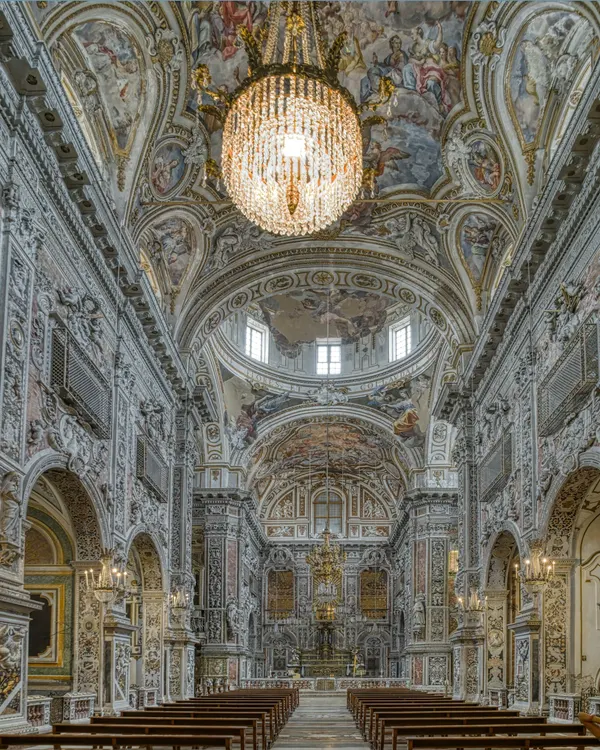
Il Capo is the historic quarter north-west of the Quattro Canti, stretching from the cathedral towards the Teatro Massimo, the largest opera house in Italy, which stands on Piazza Verdi at its northern edge. Its centre is the Capo market, which winds through the lanes around Via Sant'Agostino and Via Porta Carini, with stalls selling fish, meat, spices, cheese and household goods. The quarter's churches, including Sant'Agostino and the Immacolata Concezione, are filled with Baroque decoration in marble and stucco.

Like the other historic quarters, the Capo mixes renovated buildings with others in poor condition, and the quality of housing can vary from one doorway to the next. Flats are often in old palazzi with high ceilings, balconies over the lanes and, frequently, no lift. Prices are generally moderate, and rooms in shared flats are common, which makes the quarter popular with students and young people who want to live in the historic centre and walk to Via Maqueda and the cathedral.

Life here is lively by day and quieter at night, once the market packs up, although some lanes can feel deserted late in the evening. The Teatro Massimo, Via Maqueda's pedestrian stretch and the shops of Via Ruggero Settimo are on the doorstep, and the cathedral and the Palazzo dei Normanni are a short walk, and the Kalsa and the seafront lie just beyond. Buses run along Via Maqueda and the surrounding roads. If you want central, characterful living at a fair price, compare rooms for rent in Palermo in the Capo.

Getting around Walk to Via Maqueda, the Teatro Massimo and the cathedral; buses run along Via Maqueda and the roads around the quarter.

Search homes in Palermo

Politeama-Libertà

The 19th-century city of theatres, shops and Liberty villas

  • young professionals
  • remote workers
  • families
  • couples

As Palermo grew beyond its old walls in the nineteenth century, a new city developed to the north, along Via Ruggero Settimo and Via Libertà. Its focal point is the Teatro Politeama Garibaldi, with its triumphal-arch entrance facing Piazza Ruggero Settimo and Piazza Castelnuovo, known together as Piazza Politeama. From here Via Libertà runs north, a wide, tree-lined avenue that was once lined with Liberty-style villas, some of which survive among later apartment buildings, and the Giardino Inglese offers a green break halfway along.

This is Palermo's main shopping and business district, with boutiques, department stores, cafés, banks and offices, and it feels more orderly and modern than the old town. Housing is mostly in late-nineteenth- and twentieth-century palazzi and post-war apartment blocks, generally with lifts, good maintenance and larger rooms. That makes it popular with professionals, families and remote workers looking for a whole apartment, while shared flats among students also appear on the side streets, often in large period apartments with several bedrooms.

Transport is good: buses run the length of Via Libertà, and Notarbartolo station, with trains to the airport and tram lines to the outer districts, is at the northern end of the area. The Teatro Massimo and the old town are a short walk south of Piazza Politeama. Prices are among the higher ones in the city, and the main avenues are busy with traffic, so bedrooms facing side streets are quieter. For comfort and convenience, compare apartments for rent in Palermo around Politeama and Via Libertà.

Getting around Buses along Via Libertà; Notarbartolo station has trains to the airport and tram connections, and the old town is a walk south.

Search homes in Palermo

Zisa

An Arab-Norman palace and an arts hub west of the centre

  • art students
  • tight budgets
  • groups sharing

The Zisa district lies west of the old town and takes its name from the Castello della Zisa, a twelfth-century palace built for the Norman kings in the Arab style, with a name derived from the Arabic for splendid. Once surrounded by royal parkland, it is now part of the UNESCO-listed Arab-Norman Palermo and houses a museum of Islamic art. Nearby, the Cantieri Culturali alla Zisa, a former industrial complex, has been turned into a cultural centre with exhibition spaces, cinemas, workshops and studios used by artists and cultural associations.

Around these landmarks the Zisa is mainly residential, with a mix of older low-rise houses, twentieth-century apartment blocks and post-war developments. Flats tend to be larger and cheaper than in the historic centre, often with lifts and balconies, and the population is a mix of long-standing families, students and young people drawn by the cultural scene around the Cantieri. Shops, markets and local bars cover daily needs, and the area is generally calmer at night than the old town.

The district is a bus ride or a longer walk from the old town and the Viale delle Scienze campus, so check routes before you commit. Some streets are quieter and more pleasant than others, and the quality of buildings varies, so visit the exact address in daylight and in the evening. For art students and anyone who wants more space for their budget, the Zisa is worth a look; compare rooms and apartments in Palermo here alongside the historic quarters.

Getting around City buses link the Zisa with the old town, Politeama and the university campus; the centre is also a longer walk.

Search homes in Palermo

Choosing an area in Palermo

What are the best areas for students in Palermo?

Kalsa (the old arab quarter by the sea, reborn), Albergheria (ballarò market and the oldest streets of the city), Il Capo (market lanes between the cathedral and the teatro massimo) and Zisa (an arab-norman palace and an arts hub west of the centre). Every area above has its own section with transport and what the housing is like.

Where do young professionals and expats live in Palermo?

Kalsa (the old arab quarter by the sea, reborn) and Politeama-Libertà (the 19th-century city of theatres, shops and liberty villas). Every area above has its own section with transport and what the housing is like.

Where is the nightlife and going-out scene in Palermo?

Albergheria (ballarò market and the oldest streets of the city) and Il Capo (market lanes between the cathedral and the teatro massimo). Every area above has its own section with transport and what the housing is like.

Found your area? Search Palermo

Search 60 homes