Skip to content
FlatHunt Search Perugia

Perugia · neighbourhood guide

Where to live in Perugia: the neighbourhoods compared

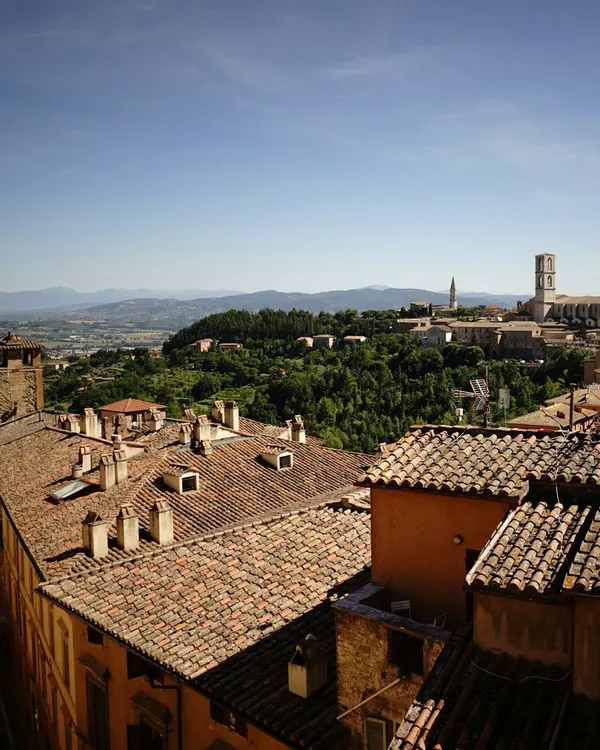
Perugia is built on a hill, and the first decision is between living on top of it and living below it. The historic centre puts the universities, Corso Vannucci and the evening crowds outside your door, in exchange for stone stairs and older flats. Elce and Monteluce sit on the slopes just outside the walls, a short climb from town. Fontivegge and Madonna Alta lie on level ground below, with bigger flats, lifts and the Minimetrò up to the centre. Here is how each area compares for students and newcomers.

Perugia, Italy

Centro Storico

Corso Vannucci, Etruscan gates and lectures a walk away

  • students
  • language learners
  • car-free living

Perugia's historic centre runs along the ridge from Piazza Italia to Piazza IV Novembre, where the Fontana Maggiore stands in front of the cathedral and the Palazzo dei Priori. Corso Vannucci, the broad pedestrian street between the two squares, is the town's living room: everyone crosses it several times a day, and the evening passeggiata still happens here. From the ridge the old town spreads into five historic rioni named after their gates, Porta Sole, Porta Sant'Angelo, Porta Santa Susanna, Porta Eburnea and Porta San Pietro, each with its own steep lanes, arches and stairways.

For students the location is hard to beat. The Università per Stranieri occupies Palazzo Gallenga on Piazza Fortebraccio, beside the Etruscan Arch, and several departments of the University of Perugia are spread through the old town. Corso Garibaldi, running north towards Porta Sant'Angelo, is lined with student flats, small grocers and cheap places to eat. Housing means old stone buildings: thick walls, vaulted ceilings, terracotta floors and, very often, several flights of stairs with no lift. Shared flats are the norm and whole apartments are scarce.

Cars are restricted inside the ZTL, so daily life happens on foot. The escalators through the Rocca Paolina link Piazza Italia with the car parks and bus terminal below, and the Minimetrò arrives at Pincetto, just under the centre. In July the Umbria Jazz festival fills the squares with concerts, and the centre can be loud on weekend nights around the university streets. Ask whether a room faces a lane or an inner courtyard, and how many steps you will climb with your shopping.

Getting around Walkable end to end; the Minimetrò stops at Pincetto below the centre, and escalators through the Rocca Paolina link Piazza Italia with Piazza Partigiani.

Search homes in Perugia

Elce

The student slope just north-west of the old walls

  • students
  • groups sharing
  • value seekers

Head downhill from the old town to the north-west and the walls soon give way to Elce, a residential district spread across the slopes north-west of the centre. It has been a student quarter for decades, largely because several science departments of the University of Perugia are close by, and because the walk up to Corso Vannucci, though steep, is short. The streets are a mix of apartment blocks, small villas with gardens and the occasional older farmhouse swallowed by the city.

Most of the housing dates from the second half of the twentieth century: condominiums with lifts in many buildings, balconies and more space than the stone flats inside the walls. Large apartments split between three or four students are common, and turnover is high at the end of each academic year, so June and July are good months to find a room for the autumn. The neighbourhood has the basics within reach, including supermarkets, pharmacies, bars and cheap pizzerias, and an evening out simply means walking up the hill into the centre.

The trade-off is gradient. Some streets are very steep, and a flat that is a few hundred metres from your department in a straight line can involve a real climb. Buses run between Elce and the centre and towards the railway station, but many residents simply walk. Check where a listing sits on the slope, whether the building has a lift and how the heating is billed before you commit. If you would rather be inside the walls, compare with the historic centre in our neighbourhood guide.

Getting around Busitalia buses link Elce with the centre and the railway station, and the walk up to Corso Vannucci takes a short, steep climb.

Search homes in Perugia

Monteluce

Calm residential streets east of Porta Sole

  • postgraduates
  • couples
  • quiet seekers

Monteluce lies on the ridge north-east of the historic centre, beyond the Porta Sole quarter and the church of Santa Maria di Monteluce that gives the area its name. For much of the twentieth century it was defined by the city's main hospital, and generations of medical students and hospital staff rented flats on the surrounding streets. The hospital has since moved to the new complex at Sant'Andrea delle Fratte, and the old site has been redeveloped, but the district has kept its residential, everyday character.

Housing is a mix of early twentieth-century houses, post-war condominiums and some newer buildings, often with lifts, balconies and views over the valley towards Assisi and Monte Subasio. Flats tend to be larger and better insulated than the stone apartments inside the walls, which makes a real difference in a Perugia winter. Daily needs are covered by local shops, bars and bakeries, and the mood is noticeably quiet in the evenings and at weekends, with families and long-term residents setting the tone rather than students.

The historic centre is close: walk back through Porta Sole and you reach Piazza IV Novembre in a few minutes, though as everywhere in Perugia the route involves some climbing. Buses connect Monteluce with the centre and with the railway station below. It suits postgraduates, professionals on a contract and couples who want a calm base without giving up the option of walking into town for dinner. Compare it with the other districts in our Perugia neighbourhood guide before you choose.

Getting around A walk through Porta Sole reaches Piazza IV Novembre, and Busitalia buses link Monteluce with the centre and the railway station.

Search homes in Perugia

Fontivegge

Around the railway station, with the Minimetrò to the centre

  • train commuters
  • groups sharing
  • professionals

Fontivegge is the district around Perugia's main railway station, on the lower ground south-west of the hilltop. It grew in the second half of the twentieth century as the city expanded beyond its walls, and it looks nothing like the old town: wide roads, modern apartment blocks, offices and the large square designed by Aldo Rossi that locals call Piazza del Bacio. For anyone who commutes by train to Florence, Rome or Assisi, or who simply wants a flat on level ground, it is a practical choice.

The Minimetrò has a station at Fontivegge, so the ride up to Pincetto below the historic centre takes only a few minutes, and many bus lines pass the station too. Flats here are usually in post-war or more recent buildings with lifts, and they tend to be roomier than in the centre. That makes the area interesting for groups renting a whole apartment and for professionals who want space and quick connections rather than medieval character.

The area has a mixed reputation. Some streets around the station feel empty or uncomfortable late in the evening, and residents' opinions differ on how much that matters in daily life. Visit at different times of day before you commit, and look at the exact street rather than the district as a whole. Supermarkets and everyday shops are close by, and the Pian di Massiano park, a large green space with running paths, is a short Minimetrò ride away. Compare it with quieter Perugia neighbourhoods such as Madonna Alta.

Getting around Perugia's main railway station and a Minimetrò stop are in the district, with the line climbing to Pincetto below the historic centre.

Search homes in Perugia

Madonna Alta

Everyday Perugia on the Minimetrò line below the hill

  • couples
  • families
  • commuters
  • quiet seekers

Madonna Alta is one of the residential districts that spread across the lower ground south-west of the old town in the second half of the twentieth century. It sits between Fontivegge and the station area on one side and Pian di Massiano on the other, and it has its own stop on the Minimetrò, which climbs from here to Pincetto below the centre. That single line is what makes the district work: you can live on level ground with a lift and a parking space and still reach Corso Vannucci without a car.

The housing is mostly apartment blocks from the post-war decades onwards, typically with lifts, balconies and cellars, and flats are generally larger than inside the walls. Big supermarkets, shopping streets, schools and sports facilities are close, which is why families, hospital staff and professionals form much of the population. Students who prefer a quieter, more practical base also rent here, especially when sharing a whole apartment between friends.

Life is calm and routine rather than atmospheric. Evenings are quiet, and a night out means taking the Minimetrò or a bus back up the hill, so check the timetable for late returns. Pian di Massiano, with the Renato Curi stadium and the Percorso Verde park, is just beyond, which suits runners and anyone with a dog. If you need to reach the hospital complex at Sant'Andrea delle Fratte, buses make the trip from this side of the city. Our neighbourhood guide compares Madonna Alta with Fontivegge and the centre.

Getting around The Minimetrò stop at Madonna Alta runs up to Pincetto below the historic centre, and Busitalia buses connect the district with the station.

Search homes in Perugia

Choosing an area in Perugia

What are the best areas for students in Perugia?

Centro Storico (corso vannucci, etruscan gates and lectures a walk away) and Elce (the student slope just north-west of the old walls). Every area above has its own section with transport and what the housing is like.

Where do young professionals and expats live in Perugia?

Fontivegge (around the railway station, with the minimetrò to the centre) and Madonna Alta (everyday perugia on the minimetrò line below the hill). Every area above has its own section with transport and what the housing is like.

Which parts of Perugia are quieter or good for families?

Monteluce (calm residential streets east of porta sole) and Madonna Alta (everyday perugia on the minimetrò line below the hill). Every area above has its own section with transport and what the housing is like.

Found your area? Search Perugia

Search 37 homes