Skip to content
FlatHunt Search Pisa

Pisa · neighbourhood guide

Where to live in Pisa: the neighbourhoods compared

Pisa is small and flat, so almost every address in the historic centre is a walk or short bike ride from lectures. The real choice is between the four old quarters. Santa Maria and San Francesco lie north of the Arno, near most university buildings, while Sant'Antonio and San Martino sit on the south bank, closer to Pisa Centrale. Beyond the centre, Cisanello offers modern flats next to the main hospital. Here is how each area compares for students, researchers and newcomers deciding where to live in Pisa.

Pisa, Italy

Santa Maria

From Piazza dei Miracoli to the river, among faculty buildings

  • students
  • Erasmus
  • car-free living

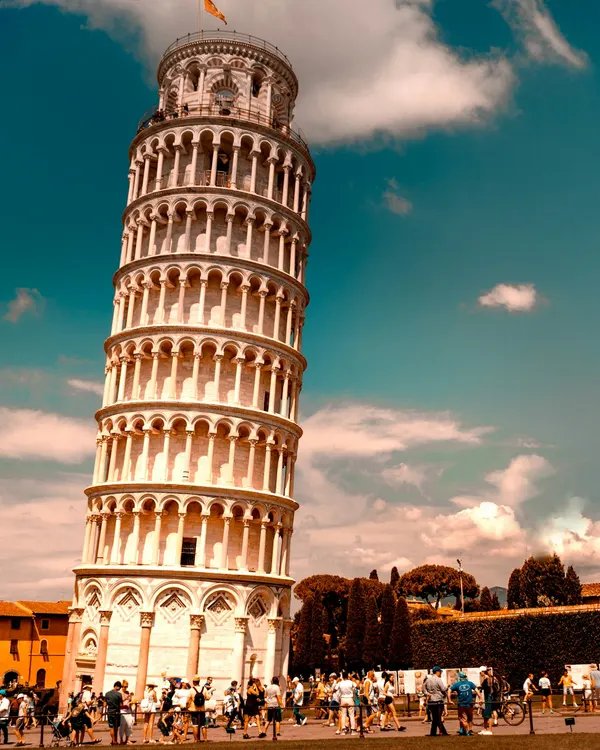
Santa Maria is the historic quarter in the north-west of Pisa's centre, stretching from the walls around Piazza dei Miracoli, with the cathedral, baptistery and Leaning Tower, down to the Lungarni along the river. Via Santa Maria, the long street that gives the quarter its name, runs south from the cathedral square towards the Arno past university buildings, cafés and small shops. The university's Botanical Garden, founded in the sixteenth century, is tucked in between, and many faculty buildings and libraries are within a few minutes' walk.

For students the location is ideal. Housing means older buildings with high ceilings, shutters, terracotta or stone floors and, often, stairs with no lift. Large flats are frequently divided into shared apartments with three or four bedrooms, and rooms facing an inner courtyard are quieter than those over the street. The streets closest to the Tower fill with day visitors, souvenir stalls and tour groups, but a few blocks further south the mood becomes residential and the faces are mostly local and student.

Everything here is reachable on foot or by bike: the departments around the centre, the markets near Piazza delle Vettovaglie and the bridges across the Arno. Pisa Centrale is a walk or a short bus ride away on the other side of the river. Evenings can be lively near the student bars, so check the exact street and the floor. If you want to be close to lectures, Santa Maria is the natural place to start, and our rooms for rent in Pisa page shows what is available across the centre.

Getting around Walkable to most departments and the Arno; city buses run to Pisa Centrale, and the cathedral square has its own bus stops.

Search homes in Pisa

San Francesco

Quieter lanes in the north-east of the old town

  • students
  • postgraduates
  • light sleepers

San Francesco occupies the north-eastern part of Pisa's historic centre, named after the large Franciscan church at its heart. It is the quieter side of the old town: medieval and Renaissance streets, small squares, convents and churches, and far fewer tourists than the area around the Leaning Tower. Borgo Stretto, the arcaded shopping street running up from the river, marks its western edge, and the market stalls of Piazza delle Vettovaglie are close by for morning shopping.

Housing is mostly old townhouses and palazzi converted into apartments, with the usual mix of high ceilings, exposed beams and steep staircases. Shared flats for students are common, though the quarter also has many long-term residents and families, which keeps the streets calm at night. Rooms here tend to stay available a little longer than in Santa Maria, simply because they are a few minutes further from the busiest university buildings. Whole apartments are scarce but worth asking about if you are moving as a group.

The location works well for daily life. Lectures in the centre are a short walk or bike ride, the Lungarni are close for an evening stroll, and the eastern edge of the quarter leads out towards the newer districts and the road to Cisanello and the hospital. Supermarkets and small grocers cover the basics, and the quarter has a good choice of bakeries and simple trattorie. Light sleepers should still check whether a flat is on a through street or a quiet lane. Compare San Francesco with the other historic quarters in our Pisa neighbourhood guide.

Getting around A short walk to Borgo Stretto and the Arno; city buses on the edge of the quarter head to Pisa Centrale and Cisanello.

Search homes in Pisa

Sant'Antonio

Between Corso Italia and Pisa Centrale

  • train commuters
  • students
  • frequent travellers

Sant'Antonio is the historic quarter on the south bank of the Arno, west of Corso Italia, and it reaches down to Piazza Vittorio Emanuele II and Pisa Centrale station. Corso Italia, the pedestrian shopping street running from the station towards the Ponte di Mezzo, is its spine, lined with clothes shops, cafés and the evening passeggiata. On the wall of the church of Sant'Antonio Abate, near the station, Keith Haring painted Tuttomondo, one of his last large murals and a landmark many locals pass every day.

The housing stock is a mix of nineteenth- and early twentieth-century buildings, some with lifts, alongside older houses closer to the river. Flats near the station tend to be practical rather than charming, and they suit anyone who values connections over views. Away from the station, the streets towards the river become older and more residential, with small squares, local bars and grocers that stay open through the summer. Shared student flats are common, and some apartments are let to commuters and professionals who travel to Florence or along the coast for work.

The big advantage is transport. Pisa Centrale has regional trains to Florence, Lucca, Livorno and La Spezia, and the PisaMover links the station with the airport in a few minutes. University departments north of the river are a walk or short ride across the Ponte di Mezzo or the Ponte Solferino. The streets right around the station can feel less pleasant late at night, so look at the exact address. For a train-friendly base, Sant'Antonio is the obvious choice; see the alternatives in our Pisa neighbourhood guide.

Getting around Pisa Centrale is in the quarter, with regional trains, buses and the PisaMover shuttle to the airport; the Arno is a short walk up Corso Italia.

Search homes in Pisa

San Martino

The old Chinzica quarter on the south bank

  • students
  • young professionals
  • quiet seekers

San Martino covers the south-eastern part of Pisa's historic centre, east of Corso Italia and south of the river. In the Middle Ages this side of the Arno was known as Chinzica, and Via San Martino, with the church that gives the quarter its name, still follows its old line. The area is residential and unhurried: long straight streets, small piazzas, artisan workshops and everyday shops rather than souvenir stalls.

Apartments are mostly in older buildings, often three or four storeys high, with the beams, tall windows and stone staircases typical of the centre. Many are let as shared student flats, and they are generally quieter than the streets north of the river, where student bars cluster. The Lungarni on the northern edge are the place for an evening walk, and in June they host the Luminara, when thousands of candles light up the river fronts, followed by the Gioco del Ponte on the Ponte di Mezzo.

San Martino is well placed: Pisa Centrale is a short walk, the departments north of the Arno are a few minutes across the bridges, and the quarter is flat and easy to cycle. Supermarkets and local grocers are within reach, and the Giardino Scotto, a park inside an old fortress on the eastern edge, hosts open-air cinema and events in summer. It suits students who want a calmer base close to everything, and professionals who prefer the south bank. Start with rooms in Pisa and zoom in on this side of the river.

Getting around Flat and walkable; Pisa Centrale is a short walk away, and the Ponte di Mezzo leads straight to the northern half of the centre.

Search homes in Pisa

Cisanello

Modern blocks east of the centre, by the main hospital

  • medical students
  • hospital staff
  • families
  • researchers

Cisanello is the large residential district to the east of Pisa's historic centre, built up mostly from the 1970s onwards. Its landmark is the Cisanello hospital, part of the Azienda Ospedaliero-Universitaria Pisana and the city's main hospital complex, where many medical students train and many staff work. The district is also close to the CNR research area, so researchers and postgraduates are part of the local mix.

Housing here is very different from the centre: apartment blocks with lifts, balconies, parking and more square metres for the money. Flats are often rented whole by couples, families and small groups of students, and shared rooms are less common than in the old town. Supermarkets, schools, sports facilities and green areas between the blocks make everyday life straightforward, and the evenings are quiet. Parking is easier than in the centre, which helps if you arrive by car or plan weekend trips to the coast and the Tuscan countryside. Students with placements at the hospital can usually walk to work.

The trade-off is distance from the life of the centre. Reaching the Arno or the departments north of it means a bus or a bike ride rather than a stroll, though the route is flat and cycling is common. Frequent city buses link the hospital and the district with the centre and Pisa Centrale. For medicine and nursing students with placements at the hospital, or for anyone who prefers modern comforts over medieval character, Cisanello is worth a close look; our neighbourhood guide compares it with the historic quarters.

Getting around Frequent city buses link Cisanello and its hospital with the centre and Pisa Centrale; the flat ride into town is easy by bike.

Search homes in Pisa

Choosing an area in Pisa

What are the best areas for students in Pisa?

Santa Maria (from piazza dei miracoli to the river, among faculty buildings), San Francesco (quieter lanes in the north-east of the old town), Sant'Antonio (between corso italia and pisa centrale) and San Martino (the old chinzica quarter on the south bank). Every area above has its own section with transport and what the housing is like.

Where do young professionals and expats live in Pisa?

Sant'Antonio (between corso italia and pisa centrale) and San Martino (the old chinzica quarter on the south bank). Every area above has its own section with transport and what the housing is like.

Which parts of Pisa are quieter or good for families?

San Martino (the old chinzica quarter on the south bank) and Cisanello (modern blocks east of the centre, by the main hospital). Every area above has its own section with transport and what the housing is like.

Found your area? Search Pisa

Search 75 homes