Skip to content
FlatHunt Search Riga

Riga · neighbourhood guide

Where to live in Riga: a neighbourhood guide

Riga is easy to get around, and trams, trolleybuses and buses connect both banks of the Daugava, so choosing a district is mostly about atmosphere, building type and your campus or office. The old town is atmospheric but touristy, the Quiet Centre offers elegant Art Nouveau flats, Āgenskalns has wooden houses and a local feel, Ķīpsala is the RTU island with river views, and Maskavas forštate is affordable and changing fast. Each profile covers housing, transport and who the area suits.

Riga, Latvia

Vecrīga

The medieval old town by the Daugava

  • short stays
  • history lovers
  • city-centre lovers

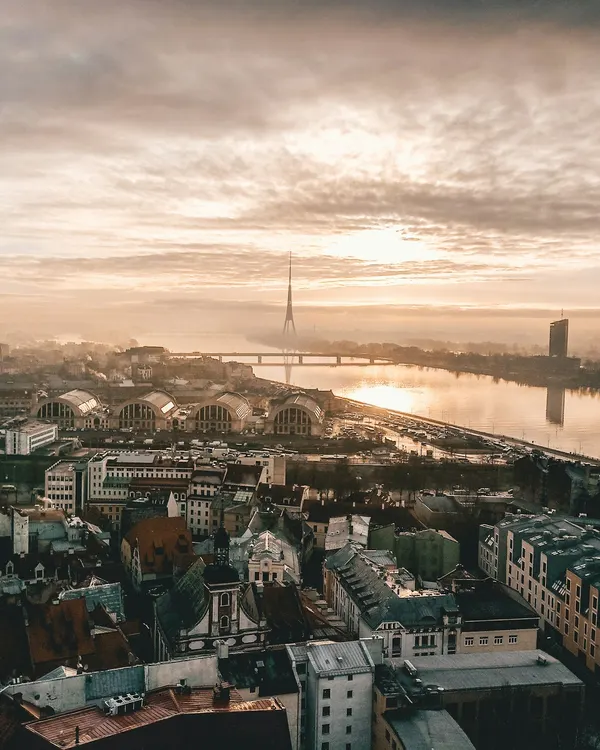
Vecrīga, Riga's old town, is a compact maze of cobbled lanes on the right bank of the Daugava. Its skyline is defined by the spires of St Peter's Church and Riga Cathedral, and its squares are lined with guild halls, merchants' houses and the rebuilt House of the Blackheads. The Three Brothers, a group of medieval houses, and the remains of the city walls and the Swedish Gate show how the town looked before the fortifications were removed in the nineteenth century. Much of it is pedestrianised, so it is quiet in the early morning.

Living in the old town is a special experience, but it has trade-offs. Many flats are let to tourists for short stays, bars and restaurants keep some streets busy late into the night, and buildings are often old, with steep staircases and no lifts. Furnished apartments and studios for longer stays do appear, sometimes in beautifully renovated buildings with exposed beams and brick walls, and they suit people who want to step out into the historic centre every day. Ask which way the bedroom faces before you book.

The location is unbeatable. Riga Technical University's historic main building is in the old town, the University of Latvia's main building and the canal park are a short walk away, and the central railway station and the Central Market are just beyond the edge of the old town. Trams and buses run along the riverbank and around the old town's edge. For a calmer central address, compare the Quiet Centre in the Riga neighbourhood guide.

Getting around Walkable, with trams and buses along the riverbank and the old town's edge, and the central railway station a short walk away.

Search homes in Riga

Klusais centrs

The Quiet Centre: Art Nouveau streets and embassies

  • professionals
  • couples
  • postgraduates

The Quiet Centre, Klusais centrs in Latvian, lies north-east of the old town, beyond the canal park and the boulevard ring. It is the heart of Riga's Art Nouveau district, one of the richest collections of Art Nouveau architecture in Europe. On Alberta iela and Elizabetes iela, whole façades are covered in sculpted faces, mythical creatures and floral patterns, and the Riga Art Nouveau Museum occupies a flat in one of these buildings, restored to show how residents lived at the start of the twentieth century.

As the name suggests, the area is calm. Its streets are lined with embassies, offices, small cafés and well-kept apartment buildings, and Kronvalda park and the Esplanāde offer green space close by. Housing is mostly in large pre-war buildings, often with high ceilings, parquet floors, tall windows and spacious rooms, and many flats have been renovated as furnished apartments for professionals, diplomats and longer stays. Prices are among the higher ones in Riga, but the quality of the buildings and the location justify it for many tenants.

The Stockholm School of Economics in Riga is in the district, the Art Academy of Latvia is on the edge of the canal park, and the University of Latvia's main building and the old town are within walking distance. Trams and trolleybuses run along the main avenues, such as Brīvības iela, connecting the district with the rest of the city. The Quiet Centre suits professionals, couples and postgraduate students who want an elegant, central base. Browse apartments in Riga to see what is available.

Getting around Trams and trolleybuses along Brīvības iela and the main avenues, with the old town and the canal park within walking distance.

Search homes in Riga

Āgenskalns

Wooden houses and a market hall on the left bank

  • students
  • young families
  • professionals

Āgenskalns lies on the left bank of the Daugava, in the part of Riga known as Pārdaugava, just across the river from the old town. It has a very different character from the centre: quiet streets of nineteenth- and early twentieth-century wooden houses, gardens, small apartment buildings and old trees. The Āgenskalns market, a historic market hall, is the local hub, and the Kalnciema Quarter nearby has a cluster of restored wooden houses that host a weekend market, concerts and small shops. The pace is slower than across the river.

Housing here is varied: wooden houses divided into flats, pre-war brick buildings, Soviet-era blocks and some new developments. Furnished apartments and rooms come up regularly, and prices are often lower than in the Quiet Centre, which makes the district popular with students, young families and professionals who want more space and greenery. Wooden houses can be charming but harder to heat, so ask about insulation and heating before you book. Arkādijas park and the green areas along the Mārupīte stream offer quiet walks. Courtyards and gardens are common.

The University of Latvia's Academic Centre and the National Library of Latvia are a short ride or walk away in Torņakalns, and Rīga Stradiņš University is also on the left bank. Trams run across the Daugava bridges to the old town and the centre in a few minutes, and buses serve the rest of Pārdaugava. Āgenskalns suits students, families and anyone who prefers a local neighbourhood to the busy city centre. Compare it with Ķīpsala in our Riga neighbourhood guide.

Getting around Trams across the Daugava bridges to the old town and the centre, plus buses across Pārdaugava and to the university's Academic Centre.

Search homes in Riga

Ķīpsala

Island campus of RTU, facing the old town skyline

  • RTU students
  • professionals
  • couples

Ķīpsala is an island in the Daugava, directly opposite the old town, and it offers some of the best views of Riga's skyline. For centuries it was a fishing and shipbuilding settlement, and some of its old wooden houses have been carefully restored. Today the island combines these historic houses with modern office buildings, including the striking headquarters of a major bank, the Ķīpsala International Exhibition Centre and much of Riga Technical University's campus. The island is small enough to cross on foot in a few minutes.

Riga Technical University has several faculties and student housing on Ķīpsala, so the island has a large student population during term. Housing ranges from restored wooden houses and modern apartment buildings with river views to student accommodation near the campus. Furnished rooms and studios are popular with RTU students, while larger apartments with views across the river attract professionals and couples. The island is quiet in the evenings, with few bars, but the old town is only a bridge away. Parking is limited, so most residents walk or cycle across the bridge.

The Vanšu bridge connects Ķīpsala with the old town and the centre, and walking or cycling across it takes only a few minutes. Buses run across the island and towards Pārdaugava, and the riverside promenade is popular for running and cycling in summer. Supermarkets and shops are fewer than in the centre, so many residents shop across the river. Ķīpsala suits RTU students above all, as well as professionals who want calm and a view. Browse rooms for rent in Riga to see current options.

Getting around The Vanšu bridge leads to the old town in a few minutes on foot or by bike, and buses run across the island towards the centre and Pārdaugava.

Search homes in Riga

Maskavas forštate

Wooden streets behind the Central Market and Spīķeri

  • budget seekers
  • students
  • creatives

Maskavas forštate, the Moscow suburb, lies south-east of the old town, along the Daugava and the long Maskavas iela. It was historically home to Russian Old Believers, Jewish families and craftsmen, and its streets still mix wooden houses, brick buildings and churches of different faiths. The district's grim twentieth-century history includes the wartime Riga ghetto, remembered at a memorial and museum in the area. Today it is changing quickly, with renovations and new projects alongside older, unrenovated buildings.

At its edge stands the Central Market, housed in giant former Zeppelin hangars, one of the largest markets in Europe, and next to it the Spīķeri quarter, a row of red-brick warehouses converted into cafés, galleries and creative spaces. The Latvian Academy of Sciences, a Stalin-era high-rise with a viewing platform, towers over the district. Housing here is among the most affordable close to the centre, with rooms and studios in older buildings and some renovated flats, though the condition varies a lot from building to building. Ask about heating and windows in older buildings.

Trams run along Maskavas iela towards the centre, and the old town, the central railway station and the bus station are all within walking distance. The riverbank by Spīķeri is pleasant for evening walks. The district has a mixed reputation, and some streets feel run-down, so visit or check the exact location before you book. Maskavas forštate suits students and budget-conscious newcomers who want to live close to the centre. Compare districts in our Riga neighbourhood guide.

Getting around Trams along Maskavas iela to the centre, with the old town, the Central Market and the central railway and bus stations within walking distance.

Search homes in Riga

Choosing an area in Riga

What are the best areas for students in Riga?

Āgenskalns (wooden houses and a market hall on the left bank), Ķīpsala (island campus of rtu, facing the old town skyline) and Maskavas forštate (wooden streets behind the central market and spīķeri). Every area above has its own section with transport and what the housing is like.

Where do young professionals and expats live in Riga?

Klusais centrs (the quiet centre: art nouveau streets and embassies), Āgenskalns (wooden houses and a market hall on the left bank) and Ķīpsala (island campus of rtu, facing the old town skyline). Every area above has its own section with transport and what the housing is like.

Found your area? Search Riga

Search 174 homes