Skip to content
FlatHunt Search Strasbourg

Strasbourg · neighbourhood guide

Where to live in Strasbourg: neighbourhoods for students and newcomers

Strasbourg is flat, compact and made for cycling, so most central districts are within a few minutes of the old town. The Grande Île is the historic island of the cathedral and the Petite France, the Krutenau the student bar district, the Esplanade the main university campus, Neudorf a large residential area with more space, and the Neustadt the grand German imperial quarter close to the European institutions. Each guide below covers housing, transport, noise and who tends to live there.

Strasbourg, France

Grande Île & Petite France

The UNESCO island of the cathedral, canals and half-timbered houses

  • young professionals
  • couples
  • short stays

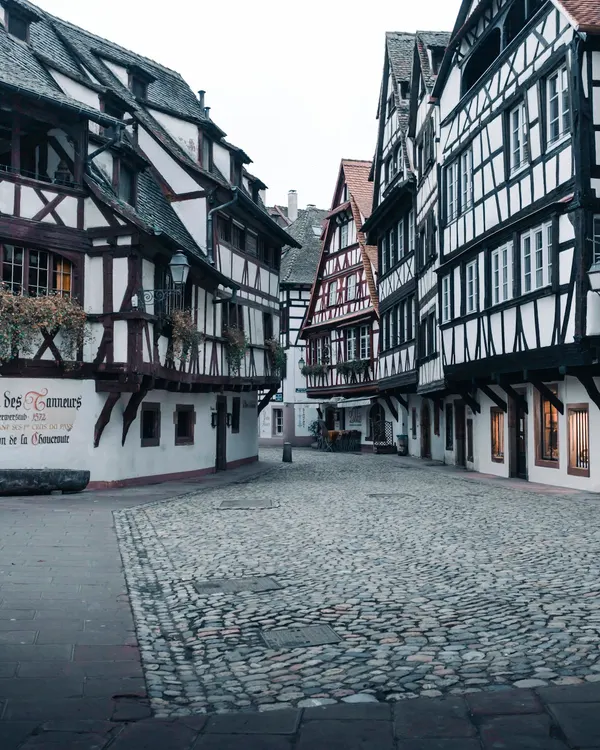
The Grande Île is the island formed by the river Ill and its canal, and it has been listed by UNESCO since 1988. At its heart stands the cathedral of Notre-Dame, built in pink sandstone with a single spire that dominated the skyline for centuries, and around it lanes of half-timbered houses lead to Place Kléber, Place Gutenberg and the shopping streets. On the western tip, the Petite France is the postcard view of Strasbourg: tanners' and millers' houses leaning over the canals, the covered bridges and the Vauban dam.

Living on the island means old buildings, steep staircases, beams and small rooms, often in apartments carved out of townhouses several centuries old. Some flats have been renovated as furnished studios or shared apartments, and the location is unbeatable: shops, restaurants, cinemas and the main tram hub at Homme de Fer are all within a few minutes. The Petite France and the streets around the cathedral are very touristy, though, and in December the Christmas market brings huge crowds into every square.

The centre suits young professionals, couples and students who want to walk everywhere and do not mind small spaces and some noise. Flats on the quieter streets towards the Ill, away from the main squares, offer a better balance between charm and calm. Getting to the Esplanade campus is easy by tram or a short bike ride. Compare listings on our Strasbourg apartments page and look at the Krutenau or the Neustadt for slightly more space close by.

Getting around Homme de Fer, the main tram hub, is on the western side of the island, and most of the centre is pedestrian and easy to cross on foot or by bike.

Search homes in Strasbourg

Krutenau

Former boatmen's quarter turned student bar district

  • students
  • night owls
  • cyclists

The Krutenau lies across the Ill from the cathedral, along the quai des Bateliers, and was once home to the city's boatmen, fishermen and craftsmen. Its narrow streets of old houses, some half-timbered, now hold bars, cafés, small restaurants and second-hand shops, and the district has become the heart of student life in Strasbourg. Place de Zurich and the streets around it fill up in the evenings, and the riverside quays are a favourite place to sit by the water on summer nights.

Housing in the Krutenau is a mix of old townhouses and 19th-century apartment buildings, many split into furnished studios and rooms in shared flats. Being right next to the Esplanade campus and a short walk from the cathedral, it is one of the most sought-after addresses for students, and rooms here are usually snapped up quickly at the start of the academic year. Bakeries, organic shops and small supermarkets cover daily needs, and the district has a relaxed, young atmosphere. Many residents never use a car: the campus, the old town and the station are all reachable by bike in minutes.

The trade-off is noise, especially at weekends around the bars, and small rooms in older buildings. Ask which way a room faces and whether windows are double glazed. For students at the Université de Strasbourg, the Krutenau is hard to beat: class is a short walk away, the old town is just across the river, and everything can be done by bike. Start with our list of rooms for rent in Strasbourg and filter by move-in date.

Getting around The Gallia tram stop is on its northern edge, and the Esplanade campus and the old town are both a short walk away.

Search homes in Strasbourg

Esplanade

The university's main campus, surrounded by residential towers

  • students
  • researchers
  • budget-minded

The Esplanade was built from the late 1950s on former military land east of the centre, and it is now the main campus of the Université de Strasbourg. Faculty buildings, libraries, research institutes and student restaurants are spread across a large, green site, with the botanical garden and the old observatory on its western side, close to the historic Palais universitaire. Around the campus, long residential blocks and towers from the 1960s and 1970s house students, families and long-time residents.

For students, the main attraction is convenience. Rooms in shared flats, furnished studios and student residences, both public and private, are all within walking distance of the faculties, and the apartments in the residential blocks are often larger and brighter than those in the old centre, sometimes with balconies and lifts. Supermarkets, a shopping centre, sports facilities and everyday services are on hand, and the Krutenau bars and the old town are a short walk or bike ride away.

The architecture is functional rather than charming, and some find the district quiet in the evenings and during holidays. But if you have classes on campus every day, living here makes life simple, and the tram makes it easy to reach the station and other parts of the city. It is also close to the Parc de la Citadelle, a large park built on the site of Vauban's old fortress, where students run, play football and picnic on summer evenings. See current student rooms in Strasbourg and compare the Esplanade with the Krutenau next door.

Getting around Trams C and E cross the district with stops including Observatoire and Esplanade, linking the campus with the centre and the station.

Search homes in Strasbourg

Neudorf

Large, lived-in district south of the centre with its own market

  • young professionals
  • families
  • cyclists

Neudorf, the new village, grew up in the 19th century south of the old city walls and is now one of the largest districts of Strasbourg. It has kept a neighbourhood identity of its own, centred on its market square, with bakeries, butchers, cafés and a weekly market that draw residents from across the district. Streets of 19th- and early 20th-century apartment buildings and small houses mix with newer developments, especially towards the Rhine, where former port land has been turned into housing and offices.

For renters, Neudorf offers more space and often better value than the centre. Furnished apartments, rooms in shared flats and studios are common, and the district attracts young professionals, families and students who are happy to cycle or take the tram into town. The Médiathèque Malraux, housed in a converted port warehouse on the presqu'île between Neudorf and the centre, is one of the city's best libraries, and the riverside areas nearby are pleasant for walks and evening bike rides.

The district is large, so the atmosphere and the housing vary noticeably from one street to the next. The northern part, closest to the centre, is the most convenient, while the southern streets are quieter and more suburban. Tram lines run through Neudorf into the city, and cycling to the old town takes only a few minutes. It is a good choice if you want a calm, practical base with real neighbourhood life. Browse furnished apartments in Strasbourg and rooms to compare Neudorf with central districts.

Getting around Several tram lines, including tram A, run through Neudorf to Homme de Fer and the station, and the cycle lanes into the centre are short and flat.

Search homes in Strasbourg

Neustadt

Grand German imperial quarter of boulevards and Art Nouveau

  • young professionals
  • EU interns
  • families

The Neustadt, the new town, was built after Strasbourg became part of the German Empire in 1871, and its scale is striking after the narrow lanes of the old town. Around Place de la République, the Palais du Rhin, the national and university library and the theatre face each other across gardens, and avenues lead to the Palais universitaire, a monumental building that still belongs to the university. In 2017 the Neustadt was added to the UNESCO listing of the old town, recognising it as an exceptional example of German urban planning.

The housing stock is made up of large apartment buildings in historicist and Art Nouveau styles, with ornate façades, bay windows and grand staircases. Flats are often spacious, with high ceilings, parquet floors and tall windows, and many have been divided into furnished apartments or rooms in shared flats. The district attracts young professionals, families, academics and people working at the European institutions, which are a short tram ride or bike ride further north-east.

The Neustadt suits people who want space, beautiful buildings and calm evenings while staying close to the old town and the campus. Rents tend to be on the higher side, and the busiest avenues carry heavy traffic, so check the exact address before booking. The Orangerie park, the oldest in the city, and the European quarter are close by for walks, runs and weekend picnics. Compare current furnished apartments in Strasbourg and read our neighbourhood guide to weigh the Neustadt against the old town and Neudorf.

Getting around Tram stops around Place de la République link the district with Homme de Fer and the station, and the old town is a short walk south.

Search homes in Strasbourg

Choosing an area in Strasbourg

What are the best areas for students in Strasbourg?

Krutenau (former boatmen's quarter turned student bar district) and Esplanade (the university's main campus, surrounded by residential towers). Every area above has its own section with transport and what the housing is like.

Where do young professionals and expats live in Strasbourg?

Grande Île & Petite France (the unesco island of the cathedral, canals and half-timbered houses), Neudorf (large, lived-in district south of the centre with its own market) and Neustadt (grand german imperial quarter of boulevards and art nouveau). Every area above has its own section with transport and what the housing is like.

Which parts of Strasbourg are quieter or good for families?

Neudorf (large, lived-in district south of the centre with its own market) and Neustadt (grand german imperial quarter of boulevards and art nouveau). Every area above has its own section with transport and what the housing is like.

Found your area? Search Strasbourg

Search 114 homes