
Historic centre
Churches, riverside gardens and the old bridge
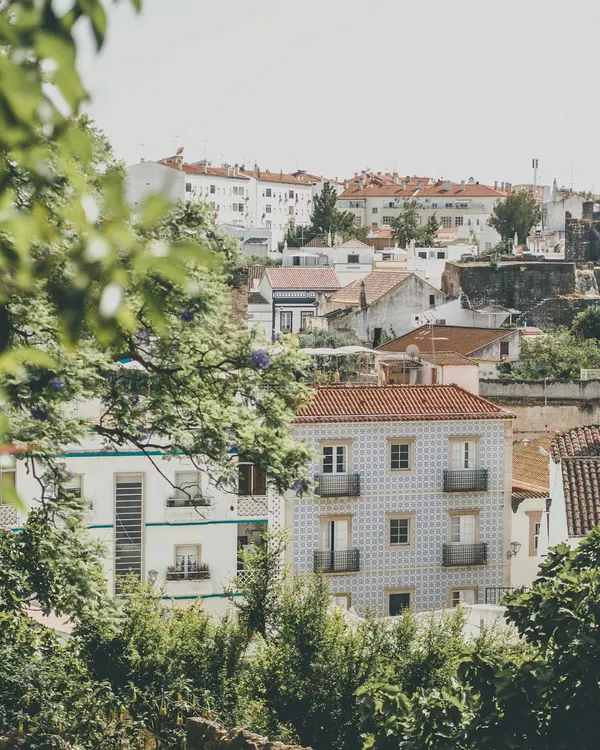
Tavira's historic centre spreads over both banks of the Gilão river, linked by an old stone bridge with seven arches, now for pedestrians only. On the western bank, lanes climb to the ruins of the castle, whose walls enclose a small garden with views across the rooftops, and to the church of Santa Maria do Castelo. Below, the riverside Praça da República and the gardens along the water are the town's living room, and the old market hall, the Mercado da Ribeira, has been turned into cafés and small shops.
Housing here is mostly traditional two- and three-storey townhouses, many with the distinctive hipped tesoura roofs, wrought-iron balconies and tiled façades, along with small apartment buildings and restored houses divided into flats. Furnished apartments suit couples, remote workers and people on long winter stays who want cafés, the market and the river on their doorstep. Older houses can be cold and damp in winter and have steep internal stairs, and parking in the narrow streets is limited, so ask about heating, stairs and where you can leave a car.
Living in the centre means you can manage without a car: supermarkets, restaurants, the municipal market and the health centre are within walking distance, and the train station is on the edge of the old town. In summer, boats to the Ilha de Tavira leave from the town, and a ferry runs year-round from Quatro Águas, a short walk or ride downriver. For a fishing village by the lagoon, compare Santa Luzia; for a seafront promenade further east, look at Cabanas de Tavira.
Getting around Tavira station on the Algarve line, regional buses, and boats to the Ilha de Tavira from the town in summer and from Quatro Águas.