Skip to content
FlatHunt Search Venice

Venice · neighbourhood guide

Where to live in Venice: the neighbourhoods compared

Choosing where to live in Venice starts with a bigger question than most cities: island or mainland? In the historic centre, Dorsoduro is the student heart around Ca' Foscari, Cannaregio and Santa Croce are residential and close to the station, and Castello and the Giudecca are quieter and more local. On the mainland, Mestre offers modern flats, lifts and heating, with the tram and train to the islands in minutes. Here is how each area compares for students, researchers and newcomers.

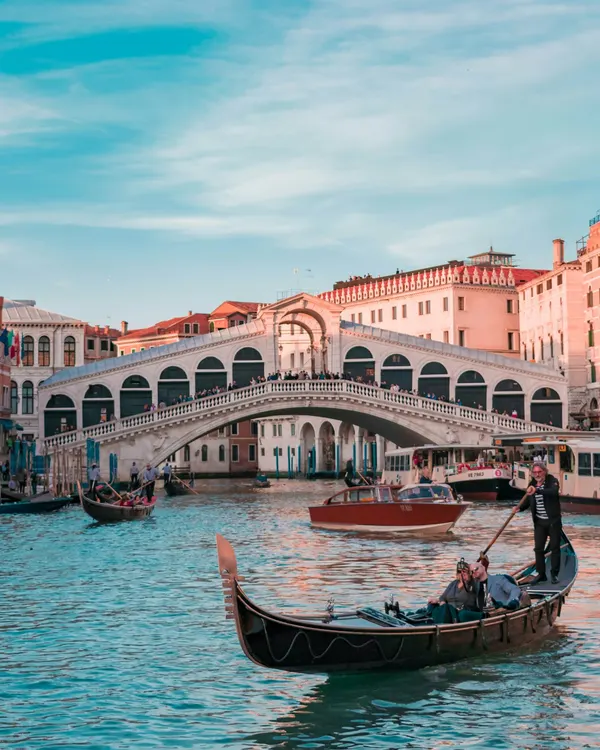
Venice, Italy

Cannaregio

The residential north, from the station to the Fondamenta Nove

  • students
  • young professionals
  • train commuters

Cannaregio covers the northern part of the historic centre, from Santa Lucia station in the west to the Fondamenta Nove, where boats leave for Murano and the northern islands. It is the most populated of the six sestieri and the one where everyday Venetian life is easiest to see. The Strada Nova, a wide shopping street, carries the flow of people from the station towards Rialto, but a few steps north you reach long, quiet fondamente along the Misericordia, Ormesini and Sensa canals, with bars, bakeries and boats moored outside front doors.

Cannaregio is also home to the Ghetto, established in 1516 and the place that gave the word to other languages, which remains a living Jewish quarter with synagogues, a museum and kosher bakeries. Near the station, Ca' Foscari's San Giobbe campus houses the economics department, which makes the western part of the sestiere popular with students. Housing ranges from small flats in old houses to larger apartments in palazzi, mostly without lifts, and ground floors are often used for storage because of the tides.

For renters, Cannaregio offers a good balance: it is well connected, more residential than the San Marco area and lively in the evenings along the Misericordia and Ormesini canals. Vaporetto stops line the Grand Canal on one side and the Fondamenta Nove on the other, and Santa Lucia station is within walking distance of much of the sestiere, which is useful for weekend trips. Start your search with rooms for rent in Venice and look closely at the exact canal and floor.

Getting around Santa Lucia station is on its western edge, with vaporetto stops along the Grand Canal and at the Fondamenta Nove.

Search homes in Venice

Dorsoduro

Ca' Foscari, Campo Santa Margherita and the Zattere

  • students
  • Erasmus
  • art lovers

Dorsoduro lies on the southern side of the Grand Canal, facing the Giudecca across a wide channel. It is the heart of student Venice: Ca' Foscari's historic seat stands on the bend of the Grand Canal, many of its departments are nearby, and the IUAV architecture university has buildings in the western part of the sestiere. Campo Santa Margherita, a long, open square lined with bars and a small fish and vegetable market, is where students meet in the evenings, and the Zattere, a sunny promenade along the Giudecca Canal, is the place for a walk or an ice cream in the afternoon.

The sestiere also holds some of the city's great museums, including the Gallerie dell'Accademia, the Peggy Guggenheim Collection and the Punta della Dogana, so its eastern end is busy with visitors during the day. Housing is in old buildings of every size, from small apartments over shops to floors of palazzi with high ceilings and painted beams. Shared student flats are common in the western part, around Santa Margherita, San Barnaba and Santa Marta, while the eastern end has more holiday lets and higher prices.

Daily life is easy: supermarkets, bakeries and the floating vegetable boat at San Barnaba cover shopping, and most lectures are a short walk. Vaporetto stops along the Grand Canal and the Zattere connect with the rest of the city and Piazzale Roma. Evenings around Campo Santa Margherita can be loud, so light sleepers should ask which side a bedroom faces. If you study at Ca' Foscari, this is the first area to look at; see how it compares in our Venice neighbourhood guide.

Getting around Vaporetto stops along the Grand Canal and the Zattere; Piazzale Roma is a walk away from the western end.

Search homes in Venice

Castello

From the Arsenale to Sant'Elena, the quiet east

  • hospital staff
  • couples
  • quiet seekers
  • Biennale workers

Castello is the largest of Venice's sestieri, running east from the edge of San Marco to the island of Sant'Elena. Its western part, around Campo Santi Giovanni e Paolo and the city hospital that occupies the former Scuola Grande di San Marco, is dense and historic, with narrow calli and small campi. Further east, past the walls of the Arsenale, the old shipyards of the Venetian Republic, the sestiere becomes more open and residential, especially around Via Garibaldi, the widest street in the city, lined with bars, grocers and a small market.

The Giardini, the public gardens at the eastern end, host the national pavilions of the Biennale, which brings international crowds to the area in exhibition years, while the rest of the time the eastern streets are among the most local in Venice. Housing is a mix of small, older flats and larger apartments, including some twentieth-century buildings around Sant'Elena that have more practical layouts. Rooms and whole apartments for longer stays are somewhat easier to find here than in the busier central sestieri.

The trade-off is distance: Ca' Foscari and the station are a long walk or a vaporetto ride away, so check the route to your department before you sign. Vaporetto stops along the Riva degli Schiavoni and the waterfront serve the whole sestiere, and boats from the Fondamenta Nove, on its northern edge, reach the islands and the airport. For hospital staff, researchers and anyone who values a quiet canal-side evening, Castello is worth a close look; compare it in our neighbourhood guide.

Getting around Vaporetto stops along the Riva degli Schiavoni and the eastern waterfront, with boats from the Fondamenta Nove to the islands.

Search homes in Venice

Santa Croce

Between Piazzale Roma, IUAV and Campo San Giacomo dell'Orio

  • students
  • architecture students
  • frequent travellers

Santa Croce occupies the north-western corner of the historic centre, between the Grand Canal and the Rio Novo. At its western end is Piazzale Roma, the only point in the city reached by road, where buses and the tram from Mestre arrive and car parks line the edge of the lagoon. The Ponte della Costituzione crosses the Grand Canal from here to Santa Lucia station. IUAV, the university of architecture, design and planning, has its main seat in the former convent of the Tolentini, which makes the sestiere a natural base for its students.

Away from Piazzale Roma, Santa Croce becomes one of the quietest parts of Venice. Campo San Giacomo dell'Orio, with its old church and tall trees, is a favourite meeting place for local families and students, and the lanes around it have bakeries, wine bars and small shops. Housing is mostly in older buildings without lifts, with shared student flats, small apartments and some larger flats in palazzi. Because the sestiere is less visited than San Marco or Rialto, long-term rentals are somewhat easier to find.

The big advantage is connections. If you study or work on the mainland, or travel often, living within walking distance of Piazzale Roma and the station saves a lot of time, and Ca' Foscari's main buildings in Dorsoduro are a short walk too. Vaporetto stops along the Grand Canal link Santa Croce with the rest of the city. Search rooms for rent in Venice and zoom in around the Tolentini and San Giacomo dell'Orio.

Getting around Piazzale Roma has buses and the tram to Mestre, Santa Lucia station is across the Ponte della Costituzione, and vaporetti run along the Grand Canal.

Search homes in Venice

Giudecca

An island neighbourhood facing the Zattere

  • artists
  • families
  • quiet seekers

The Giudecca is a long, narrow island lying south of Dorsoduro across the wide Giudecca Canal. From its northern waterfront, the views across to the Zattere and San Marco are among the best in the city, and Palladio's church of the Redentore, scene of the Festa del Redentore with its fireworks over the lagoon each July, dominates the skyline. Behind the waterfront, the island is a working neighbourhood of houses, small shipyards, gardens and former industrial buildings, many of which have been converted into homes, studios and workshops.

Housing on the Giudecca is varied: older Venetian houses along the fondamenta, twentieth-century public housing blocks in the interior and some converted lofts in old factories, including the Molino Stucky, the huge former flour mill at the western end that is now a hotel and residences. Flats tend to be more spacious and quieter than in the central sestieri, and the island attracts artists, families and long-term residents rather than crowds of visitors.

The trade-off is that every trip to the rest of the city means a vaporetto ride across the canal, as there is no bridge. Boats are frequent and the crossing to the Zattere or San Marco takes only minutes, but check the night service if you plan late evenings. Small supermarkets, bakeries and local shops cover daily needs on the island itself. For students at Ca' Foscari in Dorsoduro, the commute can be as short as from parts of the main island. See how the Giudecca compares in our Venice neighbourhood guide.

Getting around Several vaporetto stops along the northern waterfront cross the Giudecca Canal to the Zattere and San Marco in minutes.

Search homes in Venice

Mestre

The mainland city, with modern flats and the tram to Venice

  • students
  • commuters
  • value seekers
  • science students

Mestre is the mainland part of the municipality of Venice, linked to the historic centre by the Ponte della Libertà, the long road and rail bridge across the lagoon. Many students and workers live here, because the rental market is larger, apartments are more modern and everyday life is simpler: large supermarkets, cars and bikes, lifts and central heating, and no bridges to climb with your shopping. The centre of Mestre, around Piazza Ferretto and the pedestrian streets nearby, has shops, cafés and the M9 museum of the twentieth century.

Getting around Trains from Venezia Mestre reach Santa Lucia in minutes, and the tram and buses cross the Ponte della Libertà to Piazzale Roma.

Living in Mestre · 52 furnished homes

Choosing an area in Venice

What are the best areas for students in Venice?

Cannaregio (the residential north, from the station to the fondamenta nove), Dorsoduro (ca' foscari, campo santa margherita and the zattere), Santa Croce (between piazzale roma, iuav and campo san giacomo dell'orio) and Mestre (the mainland city, with modern flats and the tram to venice). Every area above has its own section with transport and what the housing is like.

Where do young professionals and expats live in Venice?

Cannaregio (the residential north, from the station to the fondamenta nove) and Mestre (the mainland city, with modern flats and the tram to venice). Every area above has its own section with transport and what the housing is like.

Which parts of Venice are quieter or good for families?

Castello (from the arsenale to sant'elena, the quiet east) and Giudecca (an island neighbourhood facing the zattere). Every area above has its own section with transport and what the housing is like.

Found your area? Search Venice

Search 102 homes