Skip to content
FlatHunt Search Salamanca

Salamanca · neighbourhood guide

Where to live in Salamanca: the barrios compared

In a city this compact, where you live in Salamanca is less about commuting and more about the kind of days you want. The old town puts the Plaza Mayor and the historic faculties on your doorstep, along with stone stairwells and late-night noise. The Barrio del Oeste and Van Dyck offer calmer streets and local bars a walk away, Garrido brings space and everyday convenience, and El Arrabal trades nightlife for river views. Whichever you pick, check the heating before anything else.

Salamanca, Spain

Centro Histórico

Living between the Plaza Mayor and the two cathedrals

  • Erasmus students
  • language students
  • short stays

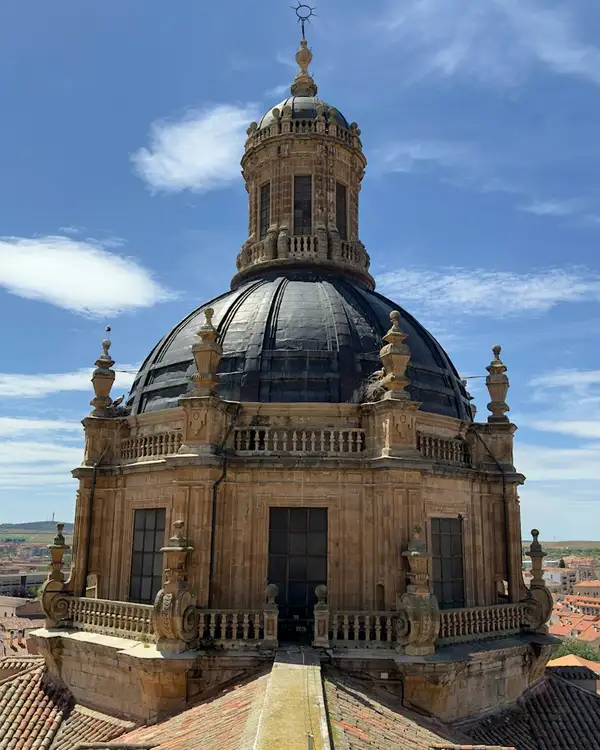
Salamanca's old town is a World Heritage Site, and living inside it can feel like renting a room in a museum that never closes. The Plaza Mayor is the city's meeting point at any hour, the Rúa Mayor leads past the shell-studded Casa de las Conchas to the Clerecía, and the Escuelas Mayores still challenge visitors to find the small frog carved into the façade, which students say brings luck in exams. The Old and New Cathedrals stand side by side at the southern end, above the river.

Housing here is mostly flats in old stone buildings and later infill blocks, often above shops, bars or restaurants. Ceilings can be high and the views remarkable, but lifts are far from guaranteed, rooms can be dark, and older windows let in winter cold and street noise. Salamanca's nightlife is famous for a city of its size, and much of it is concentrated around the Plaza Mayor and the streets nearby, so check how close a flat is to the bars. In December, students hold their Nochevieja Universitaria in the Plaza Mayor, celebrating New Year early before heading home for the holidays.

For students at the historic faculties, such as Philology in the Palacio de Anaya or the Pontifical University in the Clerecía, the old town means walking to class in a few minutes. Language students at the Cursos Internacionales are equally well placed. The Mercado Central next to the Plaza Mayor makes food shopping easy, and the Huerto de Calixto y Melibea, a small garden by the old walls, is a quiet spot to read. Rooms in the centre are popular and turn over quickly, so check the Salamanca room search early.

Getting around Entirely walkable; city buses run along the ring of avenues around the old town.

Search homes in Salamanca

Barrio del Oeste

A residential barrio turned open-air gallery

  • students
  • interns
  • quiet sharers

The Barrio del Oeste is proof that a neighbourhood does not need monuments to be memorable. West of the old town, its ordinary residential streets have been turned into an open-air gallery: for years, local residents and artists have covered garage doors, shop shutters, electricity boxes and blank walls with murals, so a walk to the bakery becomes a small art tour. It began as a neighbourhood initiative and has made the barrio one of the most recognisable in the city.

Away from the paintings, daily life is quietly local. Streets are lined with mid-twentieth-century apartment blocks, small grocers, hardware shops and neighbourhood bars where the same faces gather every evening. Flats are generally more regular and better lit than in the old town, often with lifts, and they divide neatly into rooms for students and young workers. Noise is low compared with the centre, which makes the area popular with people who study seriously or work early. As everywhere in Salamanca, ask about the heating system and whether it is included.

Location is a real strength. The Plaza Mayor and the historic faculties are a comfortable walk east, and the Miguel de Unamuno campus, home to faculties including Law, Economics and Business, Medicine and Pharmacy, is a manageable walk south. That combination makes the Barrio del Oeste a balanced choice for students whose timetables mix the old town and the Unamuno campus, as well as for interns who want a calm base. You will find shared flats here among the rooms for rent in Salamanca, and our barrio guide compares it with the alternatives.

Getting around Walk to the Plaza Mayor and the Unamuno campus; city buses run along the main avenues on its edges.

Search homes in Salamanca

Van Dyck

Pinchos on Calle Van Dyck and everyday life north of the centre

  • Spanish learners
  • longer stays
  • young professionals

Ask a Salmantino where to go for tapas without the tourists and Calle Van Dyck is one of the first answers. The street gives its name to the surrounding area north of the historic centre, a mix of apartment blocks, small squares and shops that comes alive in the evening when bars put out their pinchos and locals stand at the counters with a caña or a glass of wine from the Ribera del Duero or Toro. It is where the city eats out on a weeknight.

Most of the housing dates from the second half of the twentieth century: practical flats with several bedrooms, lifts in many buildings and kitchens that range from freshly renovated to frozen in time. Landlords here let to a mix of Spanish students, young workers and international renters, and the atmosphere is more neighbourhood than campus. Evenings are sociable around the bars but the side streets are quiet by night, and the area feels safe and family-friendly. Check the photos carefully, since finishes vary a lot between flats.

Getting to the old town and the historic faculties is a comfortable walk south along the main avenues, and city buses connect with the rest of Salamanca, including the Unamuno campus. Supermarkets, pharmacies and health centres are all close by, which is why many students who started in the centre move to Van Dyck for their second semester or second year, once they want more space and a calmer routine. For a base that feels like everyday Spanish life rather than a postcard, look at what is available in the Salamanca student rooms listings.

Getting around A comfortable walk to the Plaza Mayor along the main avenues, plus city buses to the Unamuno campus.

Search homes in Salamanca

Garrido

Salamanca's biggest barrio, busy, practical and down to earth

  • budget sharers
  • full-year stays
  • Spanish learners

Garrido is Salamanca at its most everyday. Split into Garrido Norte and Garrido Sur, it is one of the city's most populous neighbourhoods, a dense grid of apartment blocks, shops and services that grew rapidly in the second half of the twentieth century as people moved in from the surrounding countryside. There are no palaces or cathedrals here, but there are bakeries, fruit shops, schools, parks and bars on almost every corner, and the streets are busy from early morning.

For renters, that density brings choice. Garrido has a large stock of family-sized flats, many with lifts and central heating, and landlords have long divided them into rooms for students and young workers. Interiors vary from dated to recently refurbished, so photos and questions about windows and heating are worth the effort. The neighbourhood is livelier by day than by night; a small number of bars keep things sociable, but most of the action is in the old town, a walk south. Expect a genuinely Spanish routine, with long lunches, evening strolls and shopkeepers who quickly start recognising you.

Garrido suits people who want space and everyday convenience over old-town charm: students on a budget, interns, and international renters staying for a full year or longer. It is also a good place to practise Spanish beyond the classroom, since tourists rarely pass through. Walking to the Plaza Mayor or the historic faculties is entirely realistic, and city buses run through the barrio towards other campuses. Compare Garrido with Van Dyck and the Barrio del Oeste in our Salamanca neighbourhood guide, then check current rooms for rent.

Getting around City buses cross the barrio towards the centre and the campuses; the old town is within walking distance.

Search homes in Salamanca

El Arrabal

Across the Roman bridge, with the cathedral skyline in view

  • postgraduates
  • couples
  • remote workers

Cross the Puente Romano, the Roman bridge over the Tormes with its weathered stone bull, and you reach El Arrabal, the small neighbourhood on the river's south bank. From here, Salamanca puts on its best show: the cathedrals and the university towers rise above the water, glowing gold at sunset. The barrio itself is low-key, a handful of residential streets, small bars and local shops that feel a world away from the Plaza Mayor even though the old town is a short walk across the bridge.

Housing is a mix of modest older buildings and newer apartment blocks, and rooms come up less often than in the bigger barrios north of the river. In return, you get calm nights, easy access to the walking and cycling paths along the Tormes, and a neighbourhood that has not been reshaped by tourism. The river banks are also where Salamanca celebrates Lunes de Aguas, the second Monday after Easter, when locals picnic on hornazo, a meat-filled pastry. In winter, the river can bring fog and damp, so check heating and windows carefully.

El Arrabal works best for people who value peace and views over nightlife: postgraduates, interns, remote workers and couples. The historic faculties and the Cursos Internacionales are a pleasant walk away, while the Unamuno campus is reachable along the river or by bus. Going out means crossing the bridge, which on a cold January night is part of the experience. Because supply is limited, it is worth setting up a search early and comparing options across the furnished rooms in Salamanca.

Getting around Walk across the Puente Romano to the old town; city buses cross the newer bridges towards the centre.

Search homes in Salamanca

Choosing an area in Salamanca

What are the best areas for students in Salamanca?

Centro Histórico (living between the plaza mayor and the two cathedrals) and Barrio del Oeste (a residential barrio turned open-air gallery). Every area above has its own section with transport and what the housing is like.

Where do young professionals and expats live in Salamanca?

Van Dyck (pinchos on calle van dyck and everyday life north of the centre) and El Arrabal (across the roman bridge, with the cathedral skyline in view). Every area above has its own section with transport and what the housing is like.

Found your area? Search Salamanca

Search 120 homes