Topic · Expats
Expat apartments in Berlin
Moving to Berlin is exciting, but finding your first apartment can be confusing when you are new to the city, do not have a German SCHUFA history yet, or need Anmeldung for your first address. FlatHunt helps expats and newcomers compare furnished apartments in Berlin from multiple housing providers in one place.
Use this page to browse furnished apartments that may be suitable for relocation, temporary stays, first months in Berlin or a smoother move-in from abroad. Compare listings by district, budget, move-in date, apartment type and rental conditions before applying.
Browse expat apartments Set up relocation alerts
Moving soon? Alerts help you react faster when a matching furnished apartment appears.

Expat-friendly furnished apartments in Berlin

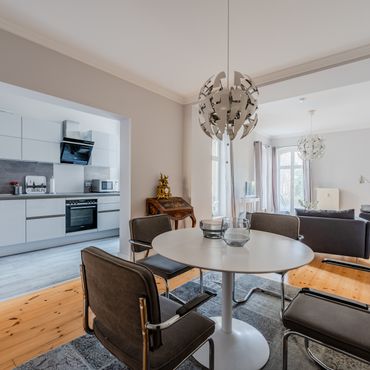

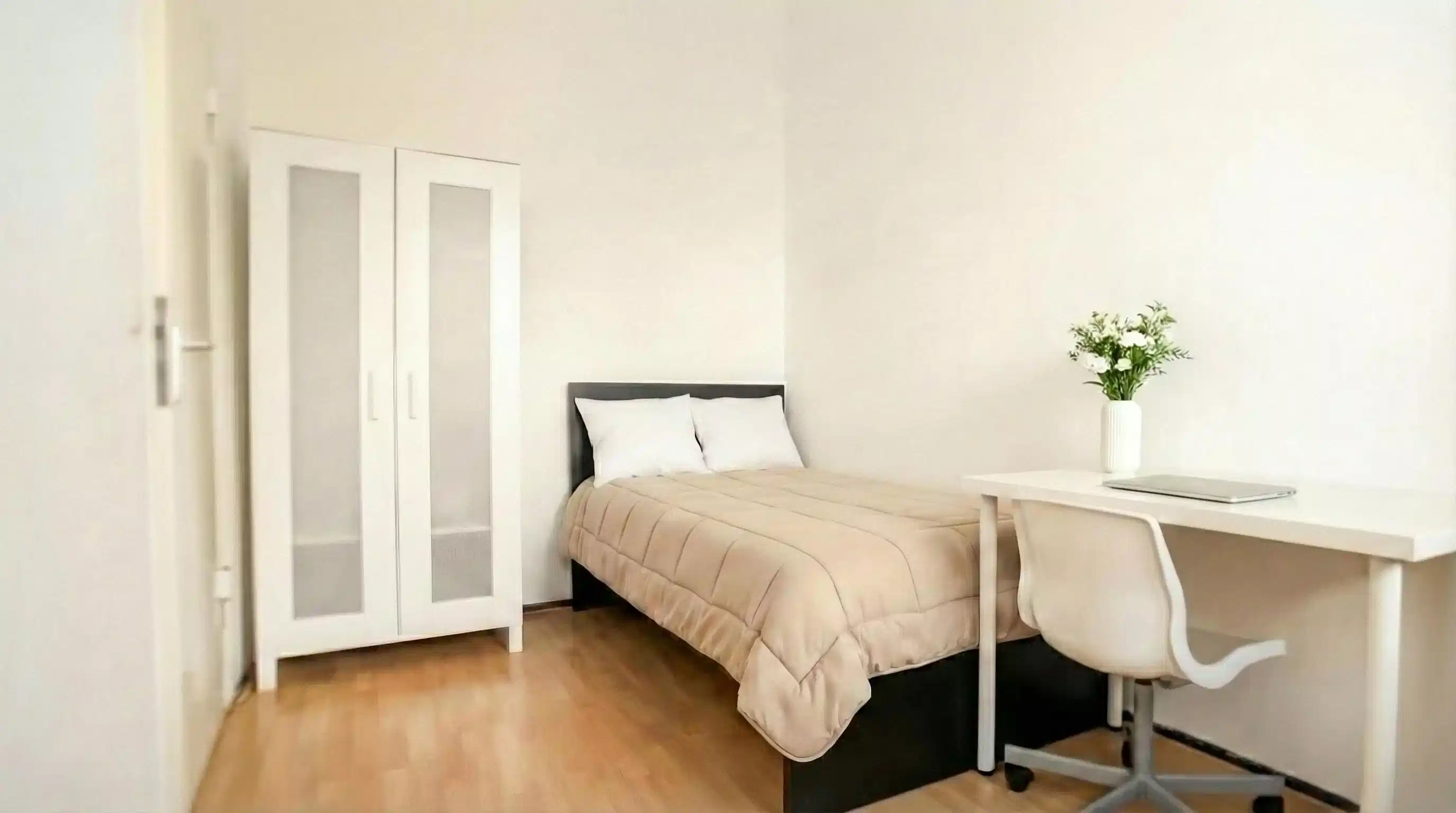
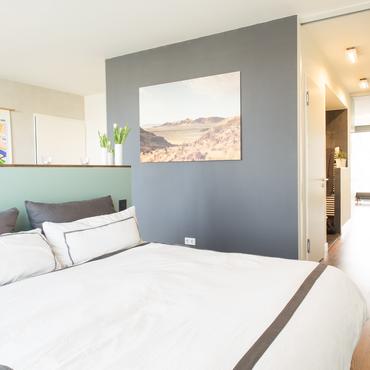
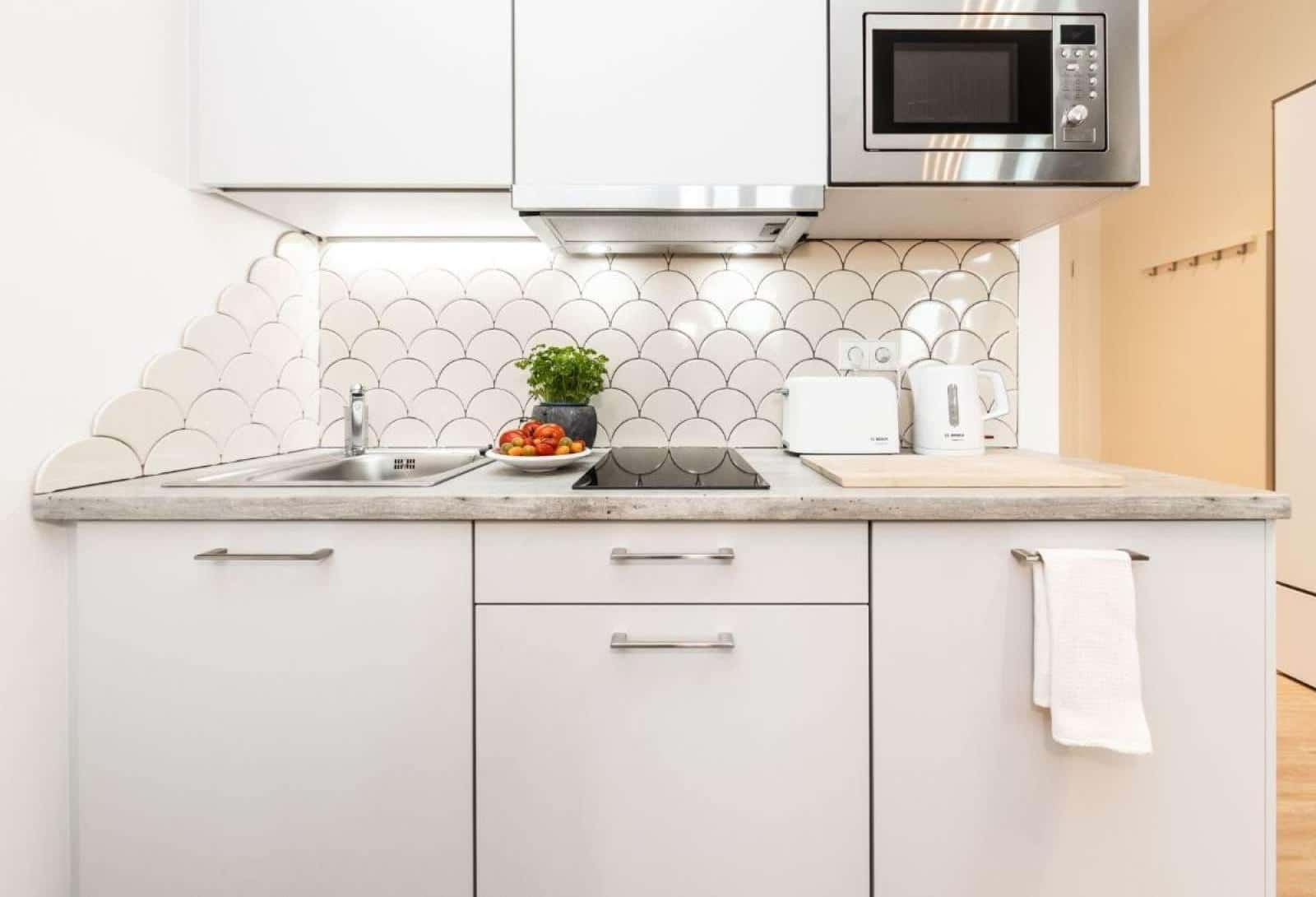
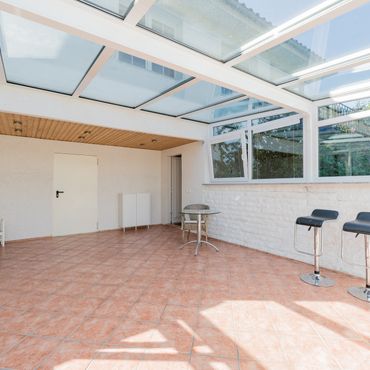
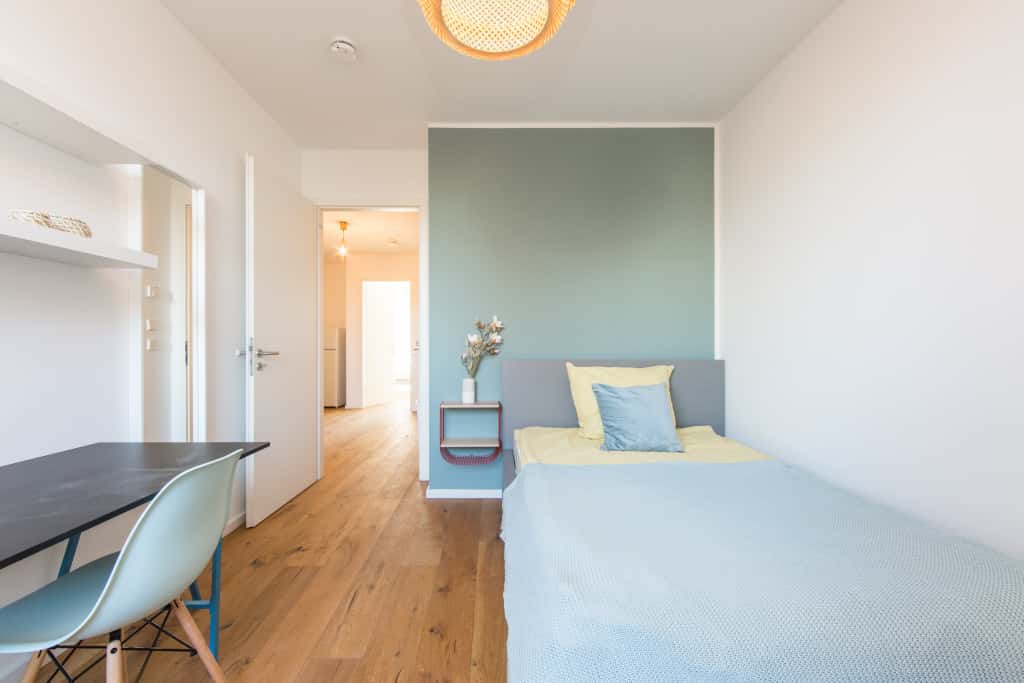

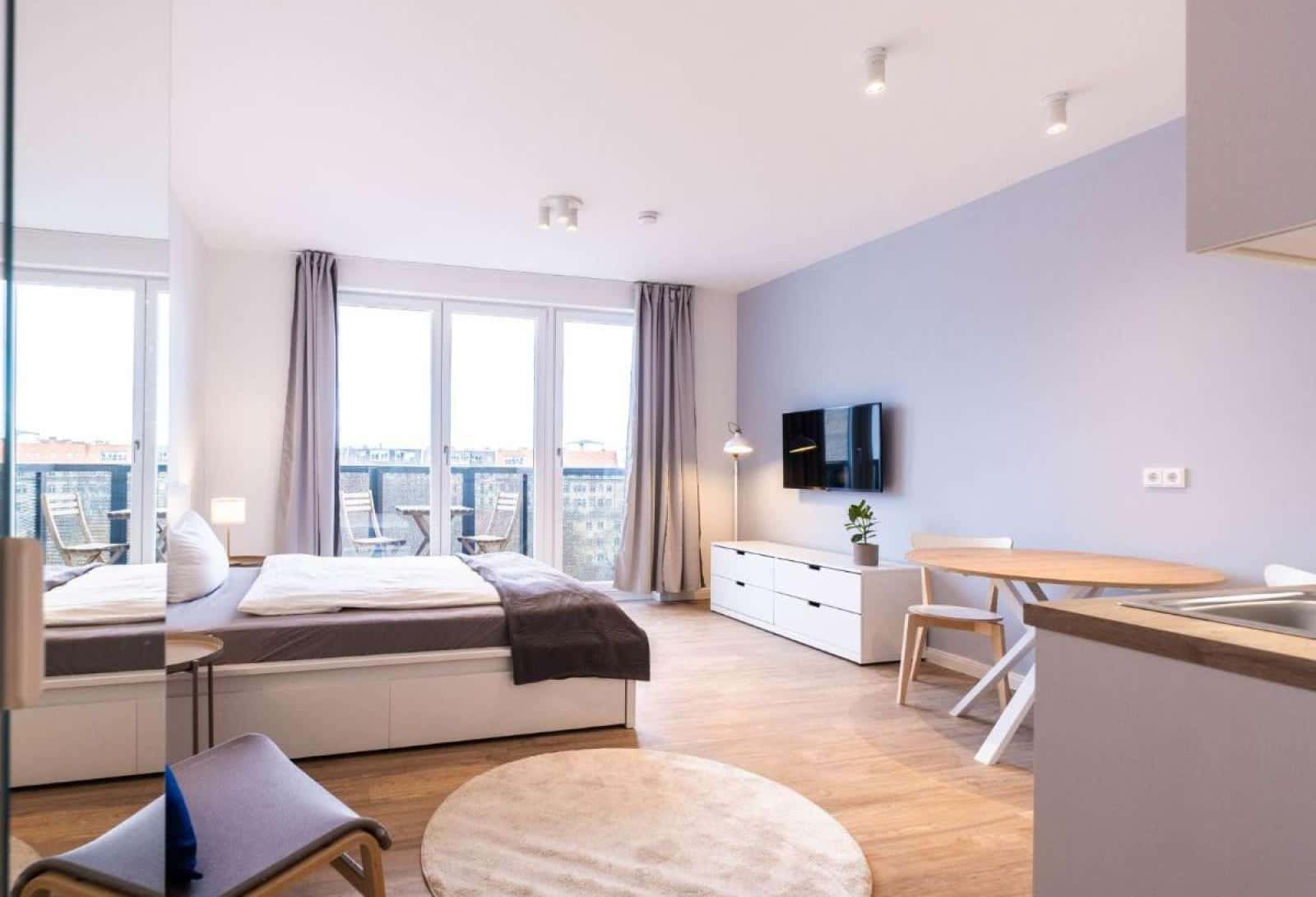



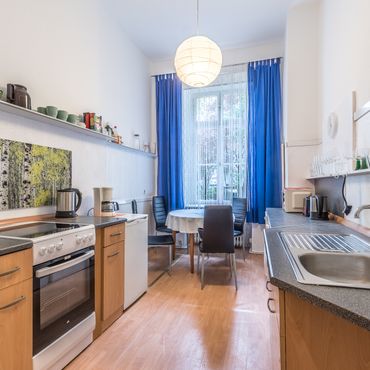
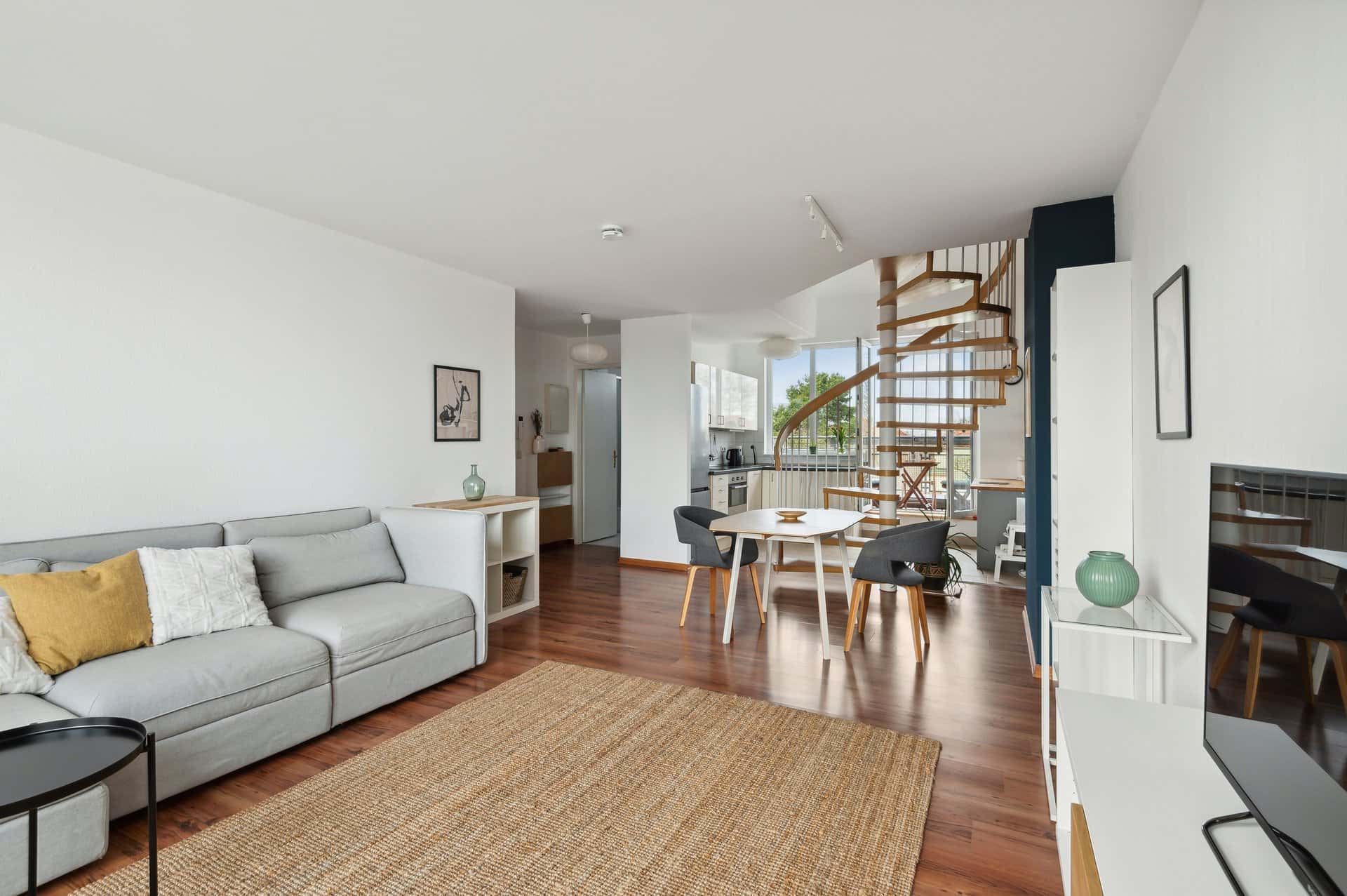
What makes an apartment expat-friendly?
An expat-friendly apartment is not a special legal category. In practice, it usually means a listing that may work better for someone who is new to Germany and needs a faster, more flexible housing setup.
For many newcomers, this means:
- the apartment is furnished and move-in ready;
- the listing can be compared online before arrival;
- the provider is used to international tenants;
- the move-in date is clear;
- the required documents are explained;
- Anmeldung may be possible;
- alternative documents may be accepted if SCHUFA is not available;
- the rental period works for relocation or a first temporary stay.
FlatHunt helps you compare these details across multiple listings, but final requirements always depend on the provider and the specific apartment.
Why furnished apartments are often the easiest first step
Many expats start with a furnished apartment in Berlin because it reduces the number of things to solve at once. You can arrive with your luggage, move into a ready-to-use place, and take more time to understand the city before deciding where to live long-term.
A furnished apartment can be useful if:
- you are starting a new job in Berlin;
- you need a first address for relocation;
- you are still learning the city;
- you do not want to buy furniture immediately;
- you need a temporary base before finding a long-term home;
- you are moving with limited time for viewings;
- you are comparing districts before committing.
Furnished apartments can cost more than unfurnished long-term rentals, but they can make the first months easier and reduce setup work.
How FlatHunt helps expats search faster
Searching for an apartment in Berlin from abroad often means opening many provider websites, saving links manually, checking the same listings again, and trying to understand which rental conditions matter.
FlatHunt is designed to reduce that work. It brings furnished listings from different housing providers into one searchable place, so you can compare furnished housing providers by the things that matter during relocation:
- district;
- monthly budget;
- apartment size;
- move-in date;
- minimum stay;
- Anmeldung relevance;
- SCHUFA or alternative document requirements;
- provider conditions;
- availability.
FlatHunt does not guarantee approval, availability, Anmeldung or no-SCHUFA acceptance. It helps you search more efficiently and compare suitable options before applying.
What documents might expats need?
Document requirements vary by provider and listing. Some furnished housing providers are more flexible with international tenants, while others may ask for German-style rental documents.
You may be asked for:
- passport or ID;
- proof of income;
- employment contract;
- work offer or relocation letter;
- bank statements;
- visa or residence permit information, if relevant;
- SCHUFA, if available;
- landlord reference, if available;
- guarantor, in some cases;
- proof of savings or scholarship, if relevant.
If you do not have SCHUFA yet, check whether alternative documents are accepted before applying.
Helpful link
Important: No SCHUFA does not mean no checks. Providers may still verify income, identity, contract details, deposit and rental suitability.
Anmeldung: what expats should check
Anmeldung is the address registration process in Germany. Many newcomers need it for practical steps such as opening a bank account, dealing with health insurance, receiving official mail, employer onboarding, residence permit processes or other administration.
Some furnished apartments allow Anmeldung, but it is not automatic. Always confirm this before applying or signing a contract.
Ask the provider:
- Is Anmeldung possible at this address?
- Will I receive the Wohnungsgeberbestätigung?
- Is the rental period long enough for registration?
- Is this a direct rental contract or a sublet?
- Are there any limitations for temporary stays?
- When can I receive the required document?
Helpful link
Important: FlatHunt can help you find Anmeldung-relevant listings, but the provider must confirm whether registration is possible for a specific apartment.
Popular Berlin districts for expats
The best district depends on your commute, lifestyle, budget and how long you plan to stay. If you are new to Berlin, it is usually better to compare several districts instead of focusing only on one famous area.
Mitte
Can be a practical first base for expats who want a central location, strong transport connections and easy access to offices, restaurants, city landmarks and daily services. It can be convenient for relocation, but it may also be competitive.
Prenzlauer Berg
Often attractive for professionals, couples and families who want a residential feel with cafes, parks and good public transport. It can work well if you want a calmer start while staying connected to central Berlin.
Charlottenburg
Can be a strong option for expats who prefer western Berlin, classic city streets, shopping, restaurants and a more established residential atmosphere.
Kreuzberg
International, lively and popular with newcomers who want culture, food, nightlife and a dynamic urban environment. It can be competitive, so compare nearby areas too.
Schöneberg
Can be practical for expats who want a balanced area with good transport, residential streets and access to both central and western Berlin.
Friedrichshain
Can fit newcomers who want a lively eastern Berlin area with nightlife, cafes, coworking-friendly atmosphere and strong connections.
Moabit and Wedding
Can be useful alternatives if you want access to central Berlin but are open to areas beyond the most obvious expat choices.
Browse all
Expat apartment search strategy
A good relocation search should be flexible but organized. The goal is not only to find the nicest apartment, but to find a realistic option that matches your documents, timing, budget and move-in needs.
Recommended approach:
- Start with your move-in date.
- Decide whether you need Anmeldung.
- Check whether you have SCHUFA or need alternative documents.
- Set a realistic monthly budget.
- Compare several districts.
- Decide whether a temporary furnished apartment is enough for your first months.
- Prepare documents before applying.
- Set up alerts for new listings.
- Confirm final conditions directly with the provider.
Temporary apartment first, long-term apartment later
Many expats choose a temporary furnished apartment first and then search for a long-term home after arriving. This can make sense if you do not know the city yet, need time to collect documents, or want to understand your commute before committing to a district.
A temporary furnished apartment can help you:
- arrive in Berlin with fewer setup tasks;
- register your address if Anmeldung is possible;
- start work or studies;
- explore districts in person;
- understand transport and daily routines;
- search for long-term housing with less pressure.
But temporary housing also needs careful checking. Always confirm minimum stay, total monthly cost, deposit, notice period, Anmeldung and provider rules.
Helpful link
Expat housing checklist
Before applying for an apartment, check:
- Is the apartment furnished and move-in ready?
- Is the move-in date suitable?
- Is the rental period long enough for your needs?
- Is Anmeldung possible?
- Is SCHUFA required?
- Are alternative documents accepted?
- What is the full monthly cost?
- Are utilities included?
- What is the deposit?
- Are there extra service or provider fees?
- Is the apartment suitable for one person, a couple or family?
- Is the district convenient for work, university or daily life?
- What happens if availability changes?
- Who is the contract with?
- When do you need to pay the deposit?
This checklist helps you compare listings more clearly and avoid applying to apartments that do not match your relocation situation.
Helpful guides for expats
If you are moving to Berlin, these guides can help you understand the rental process before applying:
FAQ: Expat apartments in Berlin
What is an expat apartment in Berlin?
An expat apartment usually means a furnished or relocation-friendly apartment that may be suitable for someone moving to Berlin from abroad. It is not a separate legal category. The key factors are furniture, move-in date, documents, Anmeldung possibility, rental period and provider requirements.
Can expats rent apartments in Berlin without SCHUFA?
Sometimes, yes. Some providers may accept alternative documents such as proof of income, employment contract, bank statements, passport, work offer or a guarantor. However, this depends on the provider and listing. No SCHUFA does not mean no checks.
Is Anmeldung possible in furnished apartments for expats?
Sometimes, but it must be confirmed for the specific apartment. Always ask whether Anmeldung is possible and whether the provider can issue the Wohnungsgeberbestätigung before signing a contract.
Should expats start with a furnished apartment in Berlin?
Many expats do. A furnished apartment can make the first months easier because you do not need to buy furniture immediately and can take time to understand the city. It can also be useful if you are still deciding where to live long-term.
Can I rent an apartment in Berlin before arriving in Germany?
In some cases, yes. Some furnished housing providers work with international tenants and allow online applications. Requirements vary, so confirm identity checks, documents, deposit, contract terms and move-in process directly with the provider.
Which Berlin districts are popular with expats?
Popular expat areas include Mitte, Prenzlauer Berg, Charlottenburg, Kreuzberg, Schöneberg, Friedrichshain, Moabit and Wedding. The best district depends on your budget, commute, lifestyle and rental period. Browse the Berlin districts hub to compare areas.
What documents do expats need to rent in Berlin?
You may need passport or ID, proof of income, employment contract, bank statements, SCHUFA if available, visa or residence permit information, and sometimes a guarantor. Each provider can have different requirements.
Are furnished apartments more expensive than unfurnished rentals?
Often yes, because furniture, equipment, flexibility and services may be included. The final rent depends on district, apartment size, rental period, availability and provider conditions.
Can FlatHunt guarantee approval for expat apartments?
No. FlatHunt helps you compare listings from multiple providers, but approval depends on the provider, documents, availability and rental conditions.
How can FlatHunt help expats find housing?
FlatHunt brings furnished listings from multiple providers into one searchable place. You can compare apartments by district, budget, move-in date, Anmeldung, SCHUFA requirements and rental conditions, then set up alerts to react faster when suitable listings appear.
Start your Berlin relocation search
Compare furnished apartments for expats and newcomers in Berlin. Check move-in dates, districts, documents, Anmeldung and rental conditions before applying.